The weather in Saalbach
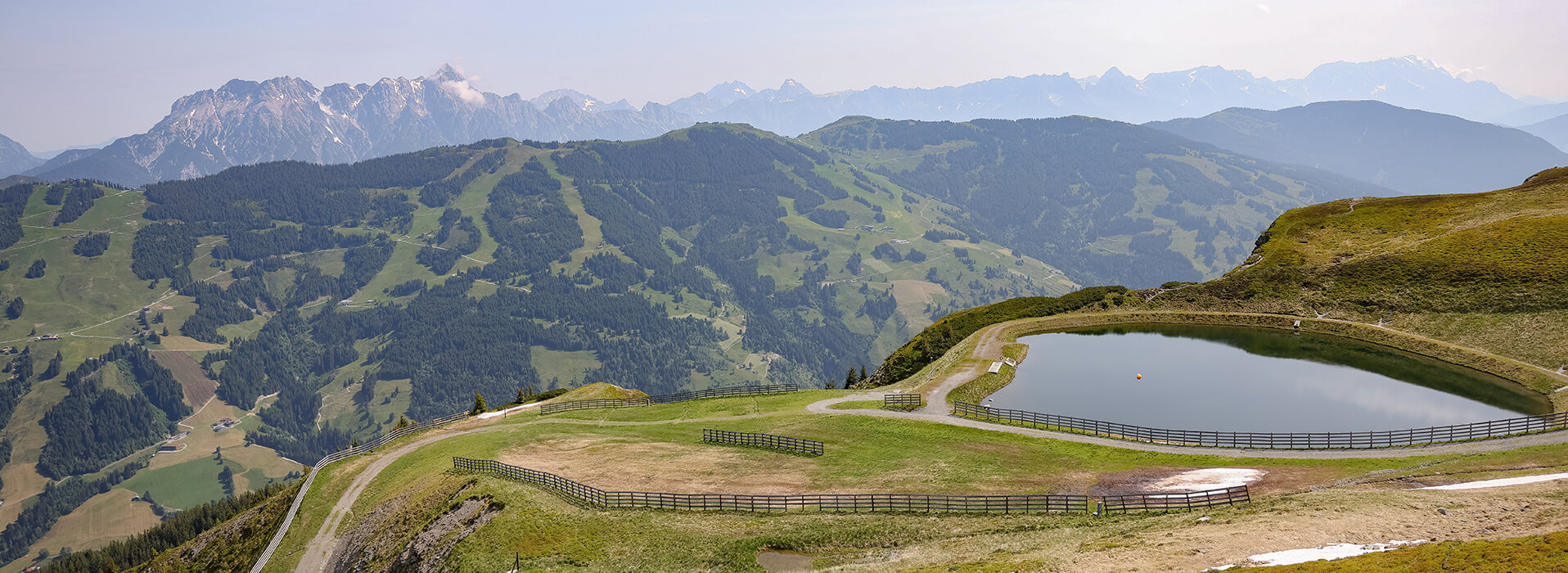
The best time of year for your holiday in Saalbach Hinterglemm
Are you planning a holiday in Saalbach Hinterglemm and wondering: What’s the weather like in Saalbach – and when is the best time to visit the Zirmhof? The good news is that in the Alps, there’s no such thing as ‘the one perfect weather’. Instead, every season delivers exactly what it promises – snow in winter, clear days in autumn, a vibrant mountain summer, a spring full of buds, and peaceful, almost magical transitions in between.
Here at the Zirmhof in the Jausern district, you’ll be ideally situated to make the most of the weather: in winter, head out onto the slopes on a whim in the morning, enjoy a leisurely tour at lunchtime, and spend the evening in the warmth and tranquillity of your apartment. And if the weather changes? Then a personalised consultation at the Zirmhof will help you plan your day accordingly – so that ‘What’s the weather like in Saalbach?’ quite simply becomes ‘What shall we do today?’
Understanding the weather in Saalbach: valley weather vs. mountain weather
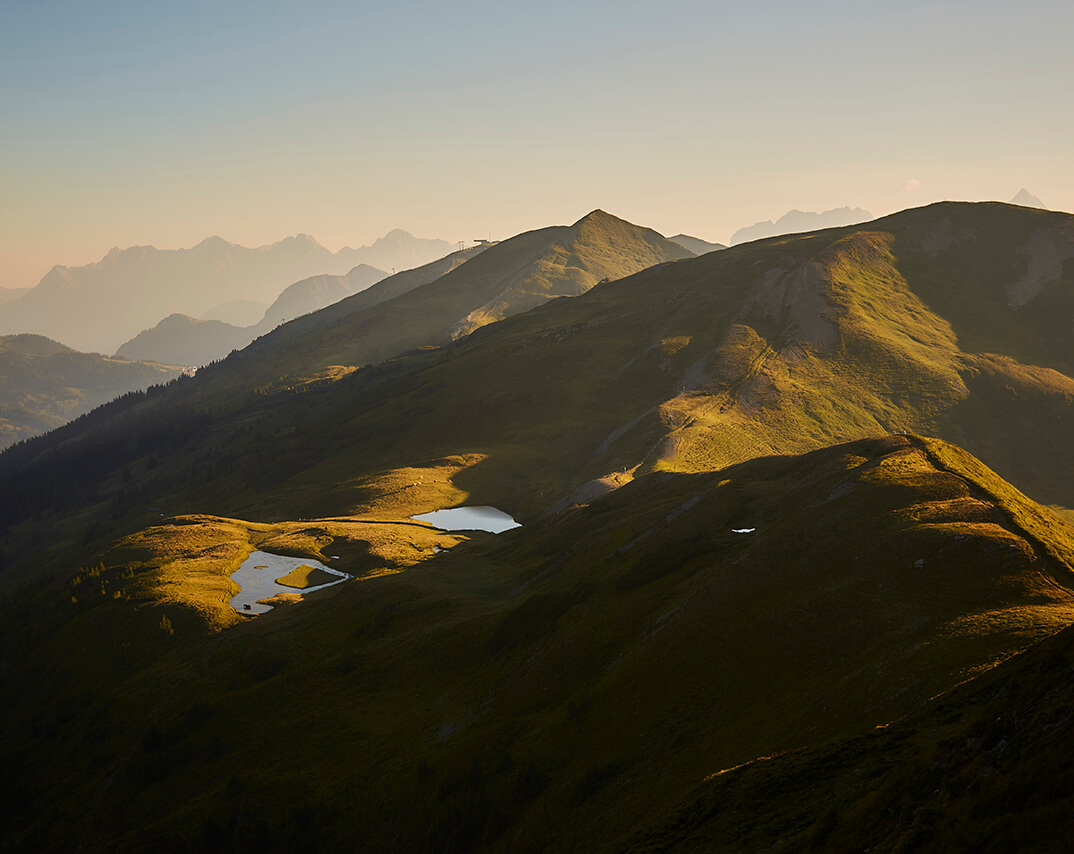
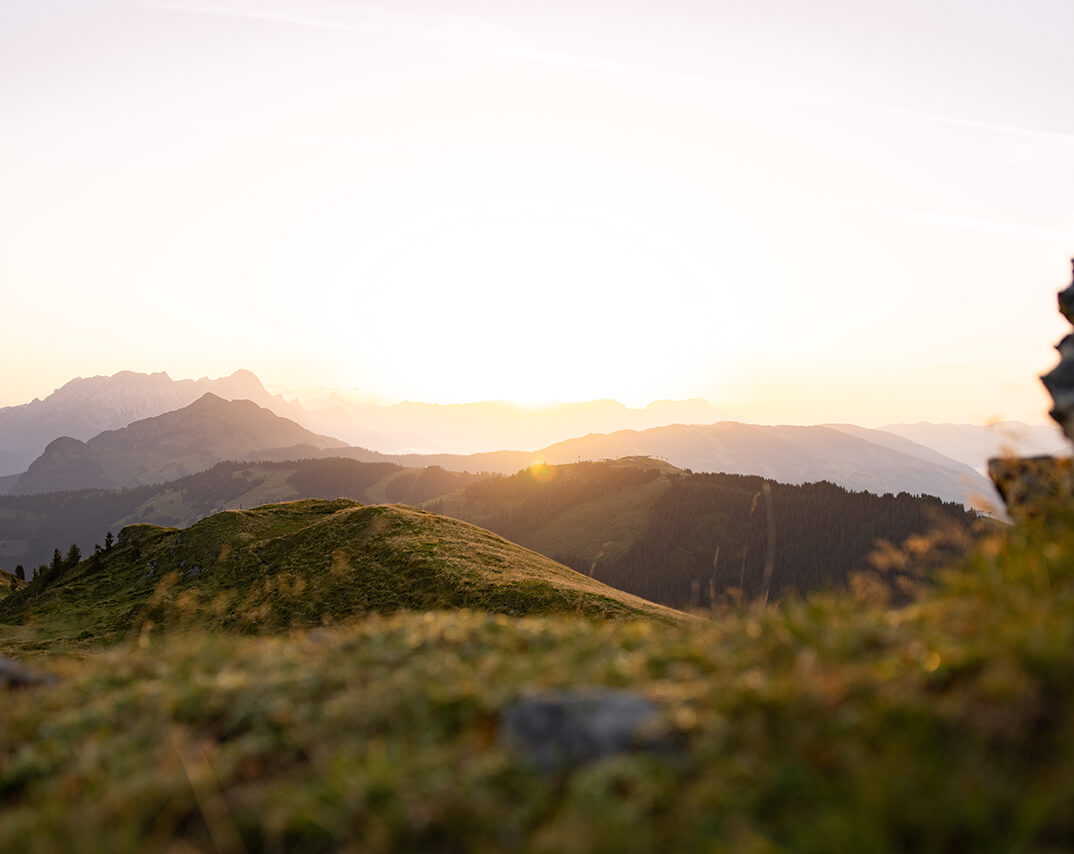
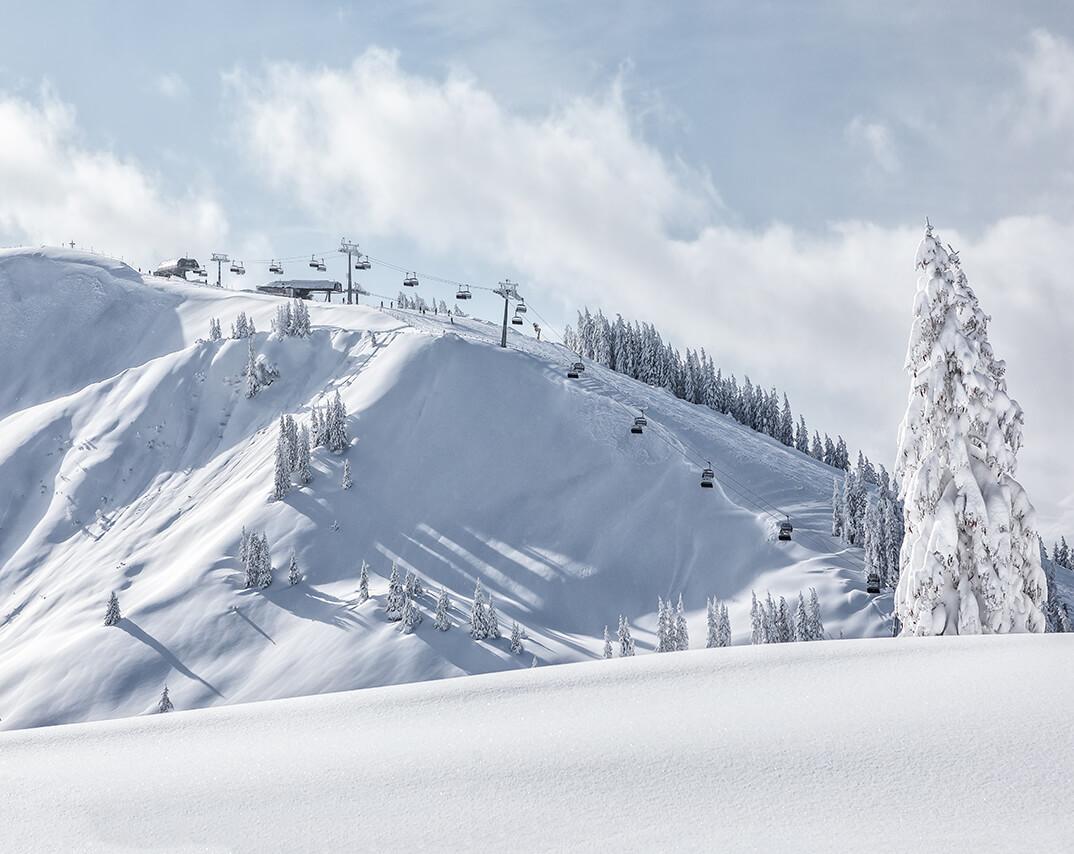
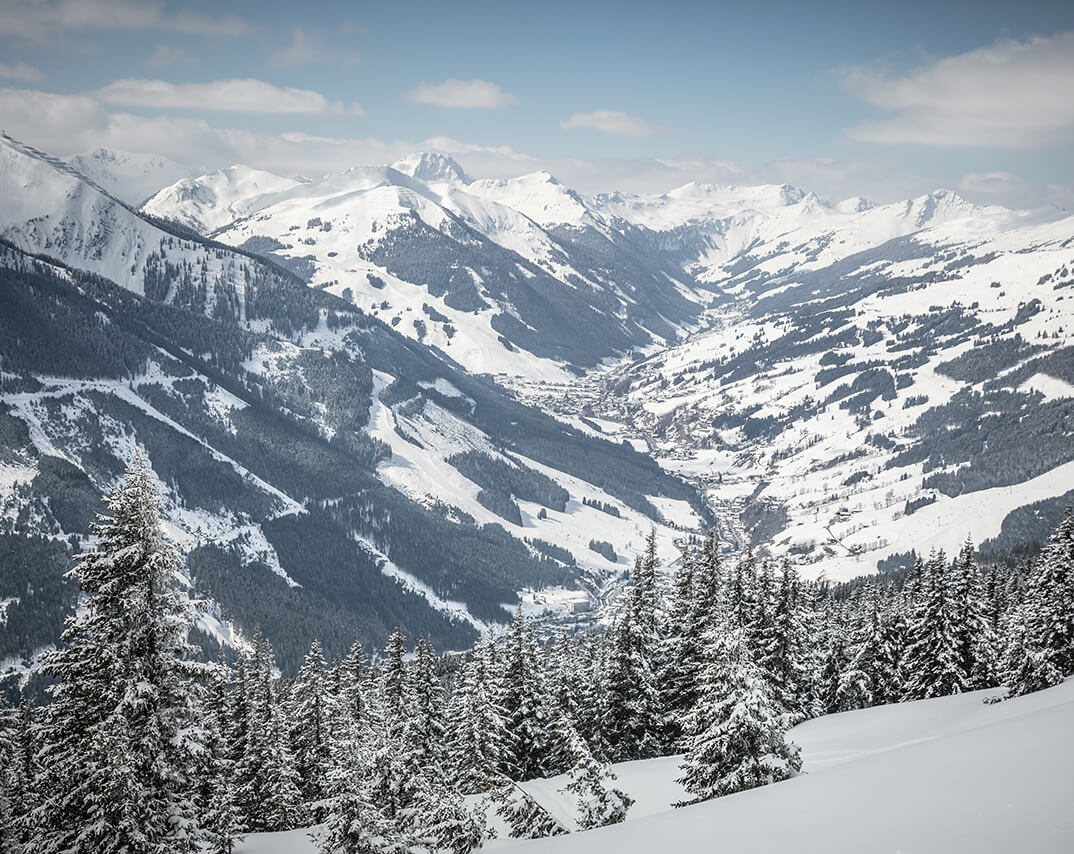
Anyone visiting Saalbach-Hinterglemm for the first time is often amazed: down in the valley it is pleasant, whilst up on the mountain it can be significantly colder, windier or even wintry – or the other way round. This is precisely what characterises the weather in Saalbach: in the Alps, it is not just the calendar that determines the weather, but above all the altitude and the terrain.
Why the weather can vary so much
In a mountain valley such as the Glemmtal, air is constantly ‘in motion’. As air rises up the slopes, it cools – and clouds can form. As air descends, it becomes warmer and drier again. The result: two places, just a few kilometres apart, can feel like two completely different weather worlds.
- Talwetter (Saalbach/Jausern rund um den Zirmhof):
Oft etwas milder, geschützter vor Wind und ideal für gemütliche Programmpunkte – Spaziergänge, Einkehr, Familienausflüge oder einfach ein entspannter Start in den Tag. - Mountain weather (in the ski area / at higher elevations):
Often cooler and windier, sometimes with better visibility too—for example, when clouds or fog linger in the valley while up top you’re in sunshine and panoramic views “above the grey”.
The key point: elevation changes everything
Rule of thumb: for every 100 m of elevation gain, it often gets noticeably cooler. Add wind to the mix: even if the thermometer shows “only” a few degrees less, it can feel much colder in the mountains because of the wind. For your holiday, that means: spring-like in the valley—winter-ready on the mountain is not uncommon in Saalbach.
When “going up” is the best decision
A particularly typical phenomenon in mountain valleys is a temperature inversion: cold, damp air collects down in the valley, creating fog or high fog. Up above, it can be sunny and clear at the same time. That’s good news for you, because on days like these the insider tip is: Head up the mountain—better weather is often waiting there.
Weather changes without stress: how to plan right at the Zirmhof
The great thing about the Zirmhof is that you don’t plan against the weather—you plan with it. If you separate valley weather from mountain weather, your day plan automatically becomes more relaxed:
- Is it windy up top or visibility is poor? → Valley plan or short, sheltered routes. There are plenty of winter hiking trails in our area.
- Is there fog in the valley but the mountains are clear? → Mountain plan and enjoy the views. Whether on skis, a snowboard, or a sled—or on scenic winter hiking trails.
- Are cumulus clouds building in the afternoon? → Start tours earlier, then wind down later at an easy pace. Maybe in the wellness area, or at one of the many mountain huts in the ski area.
Before we dive into the individual seasons, it’s worth a quick shift in perspective: when you’re researching the weather in Saalbach, it’s not only about whether the sun is shining or snow is falling—it’s about the mood you’re looking for. Because Saalbach-Hinterglemm can feel completely different depending on the month: sometimes lively and full of energy, sometimes quiet and almost in slow motion.
That’s exactly why we’ll look at the seasons one by one—not as rigid “month blocks”, but as experience worlds:
What conditions are typical? When is it especially pleasant? Who is peak season right for—and for whom are the shoulder seasons and off-season even better?
Let’s start with winter—the big stage for snow, piste moments, and mountain-hut charm.
Winter holiday: Saalbach weather at the Zirmhof (December to March)
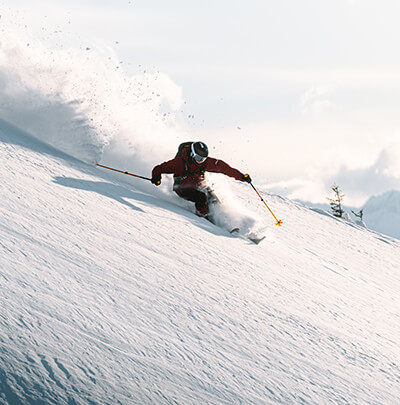
In winter, Saalbach-Hinterglemm shows its best-known side: crisp mountain air, snow-covered slopes, and that special feeling when everything revolves around white days. The weather in Saalbach is typically alpine at this time: mornings are often fresh and crisp; during the day, depending on conditions, it can be sunny and clear or wintry and overcast—and up on the mountain it can feel noticeably colder than in the valley because of the wind. That’s exactly why it’s so nice to have a holiday home base at the Zirmhof, where you can warm up and unwind again right after being outdoors.
Jänner & Februar
Vorteile der Hauptsaison
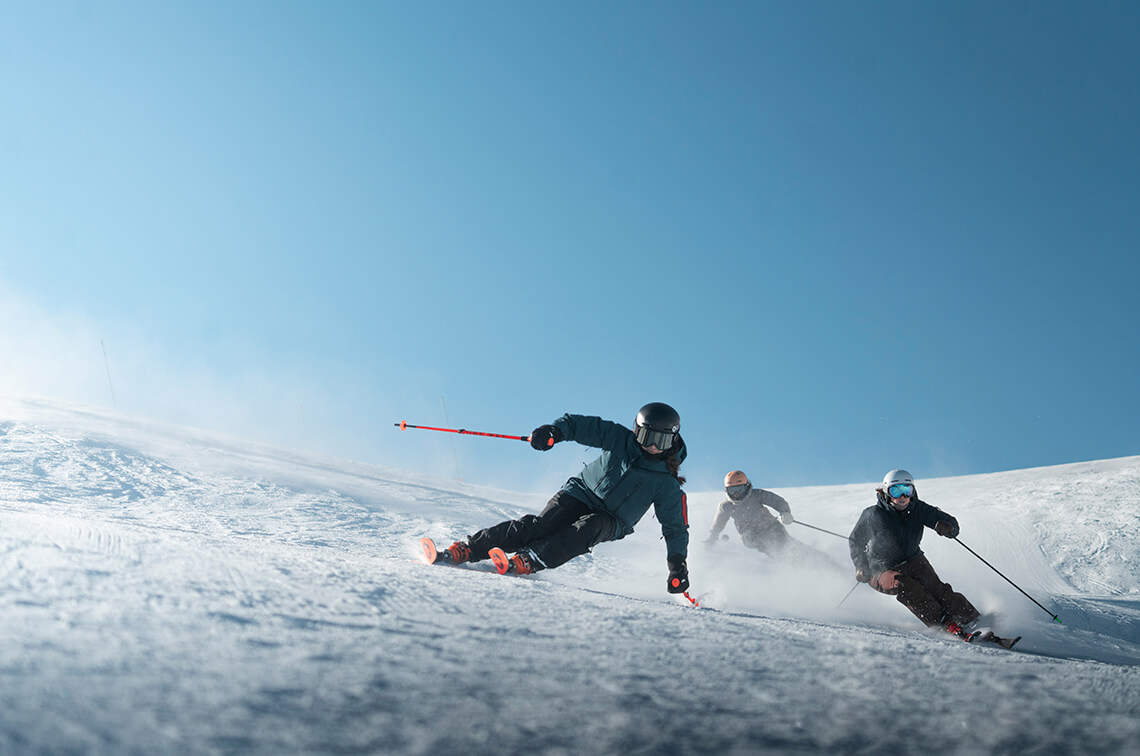
Wenn Sie einen „klassischen Winterurlaub“ wollen, sind Jänner und Februar oft die stärksten Monate:
-
meist sehr winterliche Temperaturen und stabile Bedingungen
-
perfekte Zeit für lange Skitage, weil der Winter „in Form“ ist
-
lebendige Hüttenstimmung und echtes Alpengefühl
Tipp: Ein Urlaub zu dieser Zeit sollte frühzeitig gebucht werden, weil die Nachfrage groß ist.
Dezember & März
Vorteile der Nebensaison
Die Nebensaison hat ihren eigenen Charme – und ist für viele sogar die cleverere Wahl.
Dezember:
- festliche Atmosphäre, vorweihnachtliche Stimmung
- besonders schön, wenn Sie es gemütlich mögen und Winterromantik suchen
März:
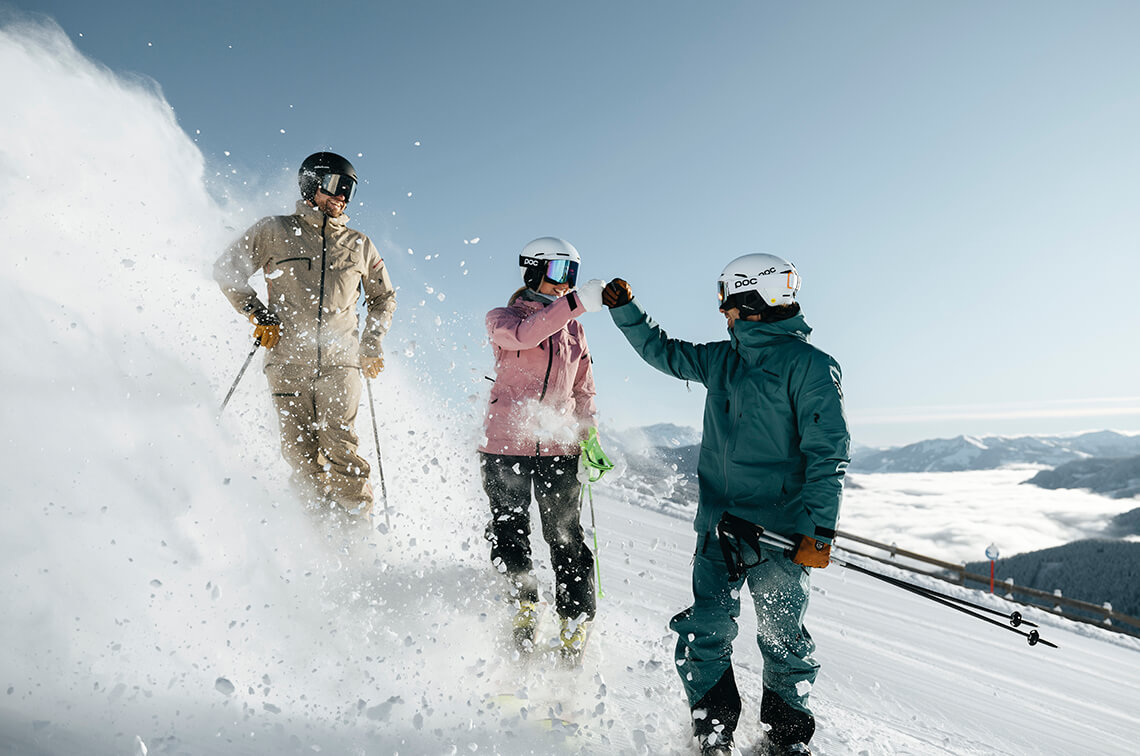
- häufig mehr Sonne und längere Tage
- tagsüber oft angenehmer, trotzdem winterliches Berggefühl
- super für Genießer: vormittags sportlich, nachmittags entspannt
Tipp: Profitieren Sie in der Nebensaison von Preisvorteilen und Kurzaufenthalten.
Spring holiday: the weather in Saalbach from April to May
Spring in Saalbach is like a quiet restart. The valley exhales, the days get longer, and the weather in Saalbach often feels gentler—without being boring. And it’s exactly at this time that something happens many guests only discover on their second visit: between winter and summer lies a phase that feels almost magical. Less hustle, more space, and nature gaining a little more colour every day.
What spring weather in Saalbach feels like
In spring, Saalbach likes to play “two seasons at once”:
- In the morning it can still be fresh—sometimes even with frost or leftover snow in shady spots.
- At midday it often turns pleasantly mild—perfect for walks, first hikes, or a relaxed stop in the sun.
- In the afternoon the strengthening sun more often creates cumulus clouds: small clouds that grow over the slopes and can sometimes bring a brief shower.
Spring in Saalbach isn’t something you should simply file away “between two seasons”, because it has a holiday quality all of its own. Many guests notice it on day one: it’s noticeably quieter. Trails, viewpoints and favourite spots suddenly feel more spacious because fewer people are out and about. This extra sense of space creates a feeling of relaxation that you often have to seek out in peak season. You settle in faster, let your gaze wander longer, and don’t feel like you have to “keep up”.
Summer holiday: the weather from June to September
Summer in Saalbach-Hinterglemm feels like freedom: long days, lots of light, and mountain air that stays pleasant even in the warmth. Saalbach weather is often friendly in summer, but typically alpine—with fresh mornings, warm middays, and a sky that likes to put on a “cloud show” in the afternoon. That’s why it’s so nice to have a holiday home base at the Zirmhof, where you can warm up and unwind again right after being outdoors.
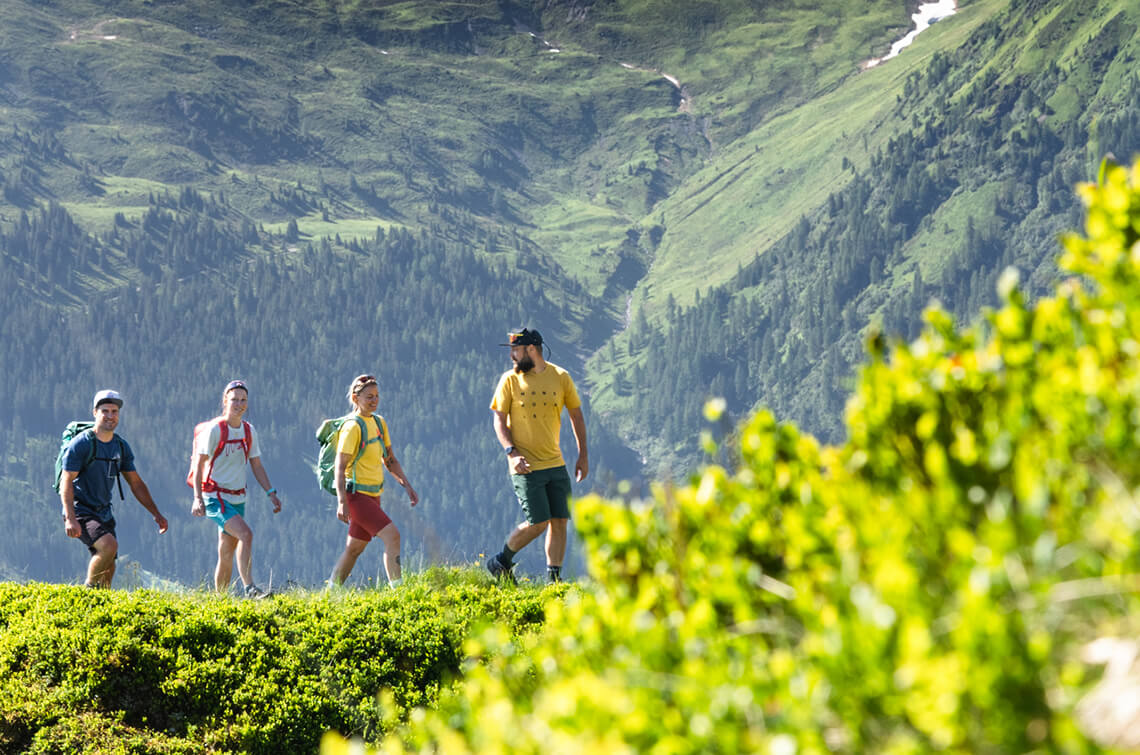
Ruhiger, angenehm und aktiv
Juni: Der „frische Sommerstart“
- Komfort für Aktive: häufig sehr angenehm zum Wandern und Biken, weil die Hitze meist noch moderater ist
- Mehr Ruhe: weniger Trubel auf Wegen und bei Einkehrplätzen als in der Hochsaison
- Natur im Wachstum: alles wirkt satt und lebendig – ein „grüner“ Monat
- Guter Einsteiger-Monat: perfekt, wenn Sie Sommerurlaub wollen, aber ohne Hochsaison-Tempo
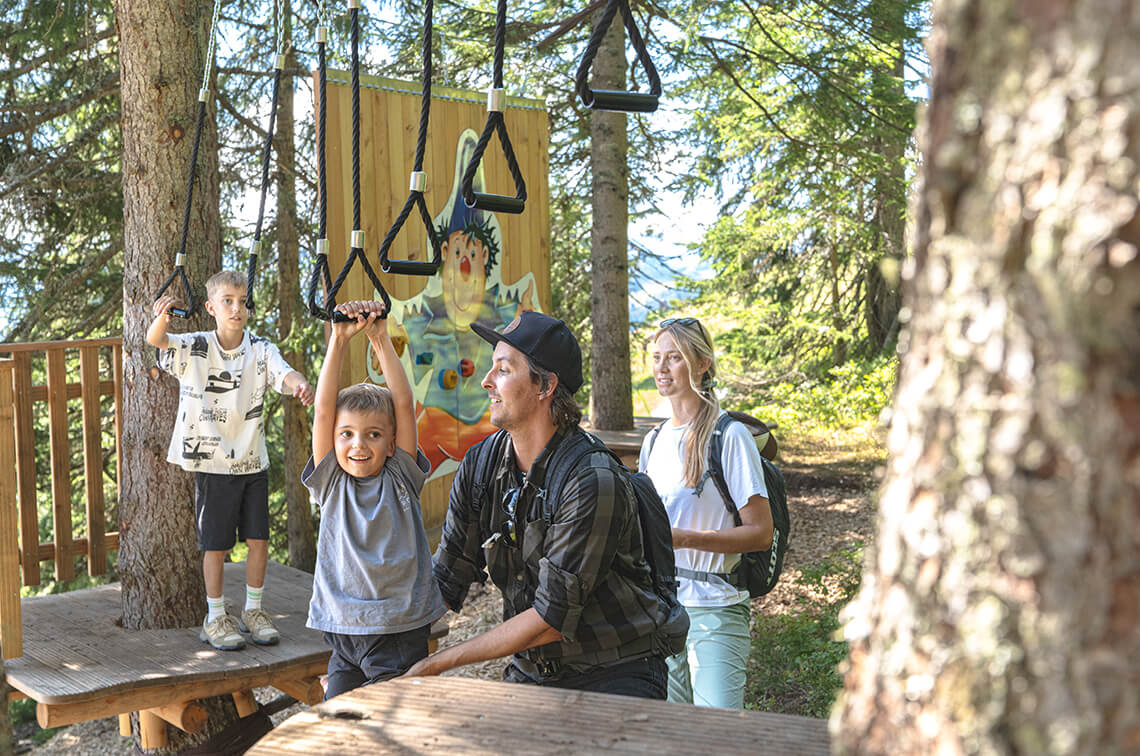
Juli & August
Vorteile der Hauptmonate
- Maximale Auswahl: viele Angebote und Aktivitäten geöffnet, Urlaubsstimmung pur. Die Joker Card sollte dabei Ihr ständiger Begleiter sein.
- Lange Tage: viel Zeit für Touren, Ausflüge und entspannte Abende
- Ideal für Familien: planbar, lebendig, alles „griffbereit“
- Sommer-Feeling pur: Saalbach wirkt in dieser Zeit besonders aktiv und bunt
Goldener, klarer und besonders schön
September: Der „Genuss-Sommer“
- Weniger Trubel: entspannter Rhythmus, mehr Raum am Berg und im Ort
- Angenehme Temperaturen: oft ideal für lange Tage draußen, ohne Hitzestress
- Besonders spannend: Das Licht wird weicher, die Stimmung ruhiger – viele empfinden den September als „Luxus-Sommer“
- Fernsicht & klare Tage: Gerade September und Oktober sind häufig die Monate, in denen die Luft besonders klar ist und die Fernsicht oft beeindruckend wird
Autumn holiday: October to November
Autumn in Saalbach-Hinterglemm is the season for everyone who doesn’t want to just “tick off” the mountains, but really experience them. Saalbach weather now becomes calmer, clearer, and often surprisingly stable—and that’s exactly when the region shows a side many only discover once they visit outside the classic peak seasons. Less hustle, more space, and a mood that feels as if nature is holding its breath for a moment.
What autumn weather in Saalbach feels like
- Mornings: fresh and clear, often with that crisp “snap” in the air
- During the day: often pleasantly good for hiking, without summer heat
- Evenings: cooler, cozier—the perfect time to arrive and relax
- Clouds & light: the light is softer, shadows longer—photo weather deluxe
October: long-distance views, golden light, and “mountain cinema”
For many, October is the secret star. Right now the air is often especially clear—and with it comes that famous long-distance visibility that makes you feel like you can see from peak to peak farther than usual.
- Long-distance views & clear air: often the best time for panorama days
- Golden mood: forests change colour, the sun sits lower—everything feels warmer
- Ideal for leisurely hikes: long breaks, beautiful trails, fewer people
- Clouds as weather signs: if fog lingers in the valley in the morning, you can often still catch sunshine up top—a classic autumn moment
November: quiet, magical, and perfect for switching off
November is October’s quiet sister. Nature calms down, the days get shorter, and that’s exactly what makes it appealing: Saalbach often feels almost meditative at this time. Not everyone is looking for that—but those who are, love it.
Across all seasons, clouds accompany us in the Glemmtal: sometimes delicate and high like a veil, sometimes as growing cumulus clouds over the slopes, sometimes as a strong weather front that gives the valley its own drama. The mountains often create especially striking cloudscapes here—sometimes they look painted, sometimes like a real natural spectacle. And the best part: these formations aren’t just beautiful to look at; they often also reveal how the weather might develop next.
So here’s an exciting detail for your next holiday in Saalbach: learn to read clouds. No technical jargon—just practical tips—so that with a quick look out the window at the Zirmhof you’ll get a feel for whether the day will stay stable, whether wind is picking up, or whether a change in weather is on the way.
Reading clouds in Saalbach: what the sky over the Glemmtal tells you
The weather in Saalbach can change quickly, as is typical in the Alps—and that’s exactly why a small trick locals use almost automatically is worth it: watching the clouds. Because clouds aren’t just “sky decoration”. They’re often the most visible weather forecast you can get for free—right above the Zirmhof.
Why clouds in Saalbach are so telling
Saalbach-Hinterglemm lies in a valley surrounded by mountains. As soon as air is “pushed up” a slope, it cools down—and clouds form. That happens especially often here because mountains act like a ramp: air up → cooling → condensation → clouds.
In short: mountains build clouds faster than flat land. And you can often tell from that whether things will stay stable or whether the weather is “working”.
The 6 most fascinating cloud signals (and what they mean for your holiday at the Zirmhof)
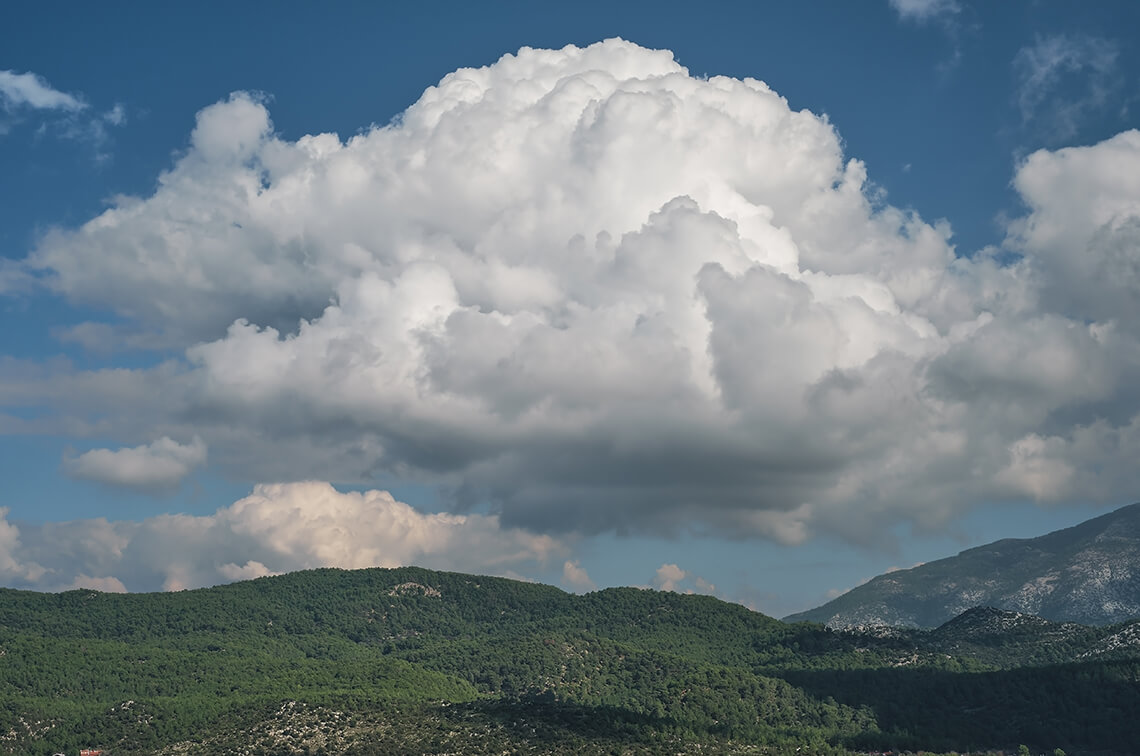
„Der Tag wird aktiv“
1. Quellwolken am Nachmittag
Sie sehen mittags kleine „Wattebäusche“, die über den Hängen wachsen? Das sind Quellwolken.
Bedeutung: Häufig gutes Ausflugswetter am Vormittag – am Nachmittag kann es „unruhiger“ werden.
Urlaubstipp: Wander- oder Bike-Touren früher starten, gemütliche Einkehr als Plan B.
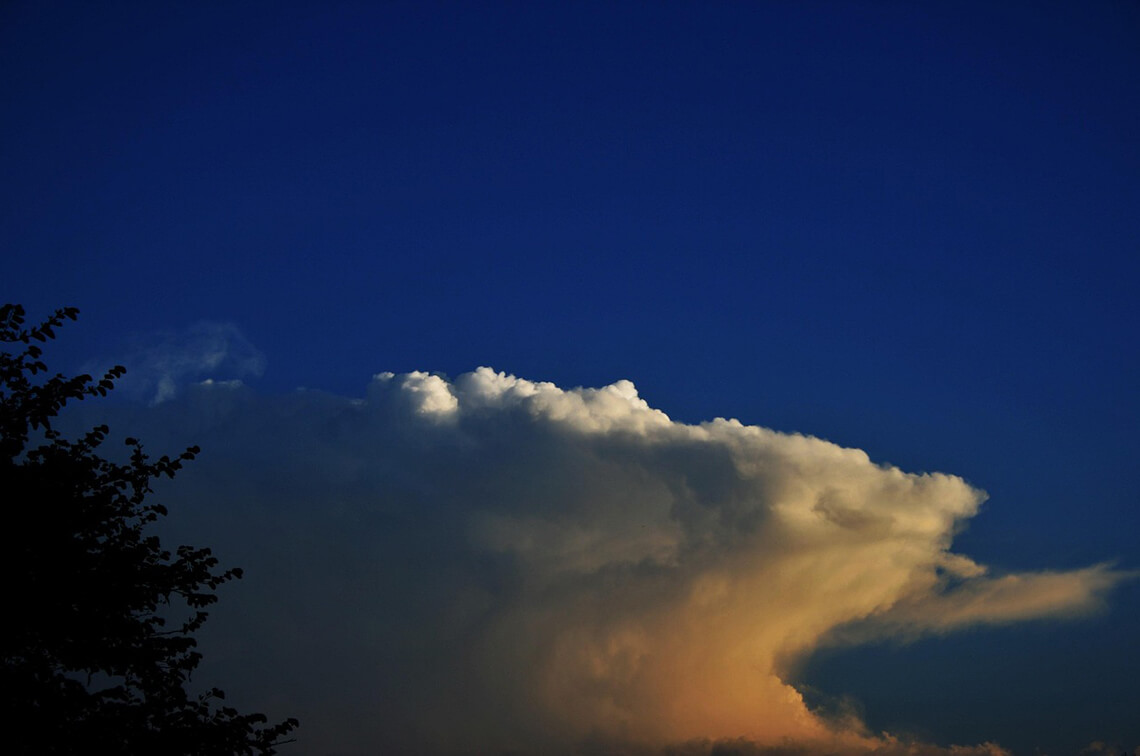
„Gewitter möglich“
2. Amboss-Wolke (wie ein flacher Pilz)
Wenn eine Wolke oben flach ausläuft wie ein Amboss, hat sie viel Energie.
Bedeutung: Gewitter kann in der Nähe entstehen oder sich nähern.
Urlaubstipp: Jetzt nicht mehr „noch schnell weiter“ – lieber rechtzeitig Richtung Tal/Unterkunft.
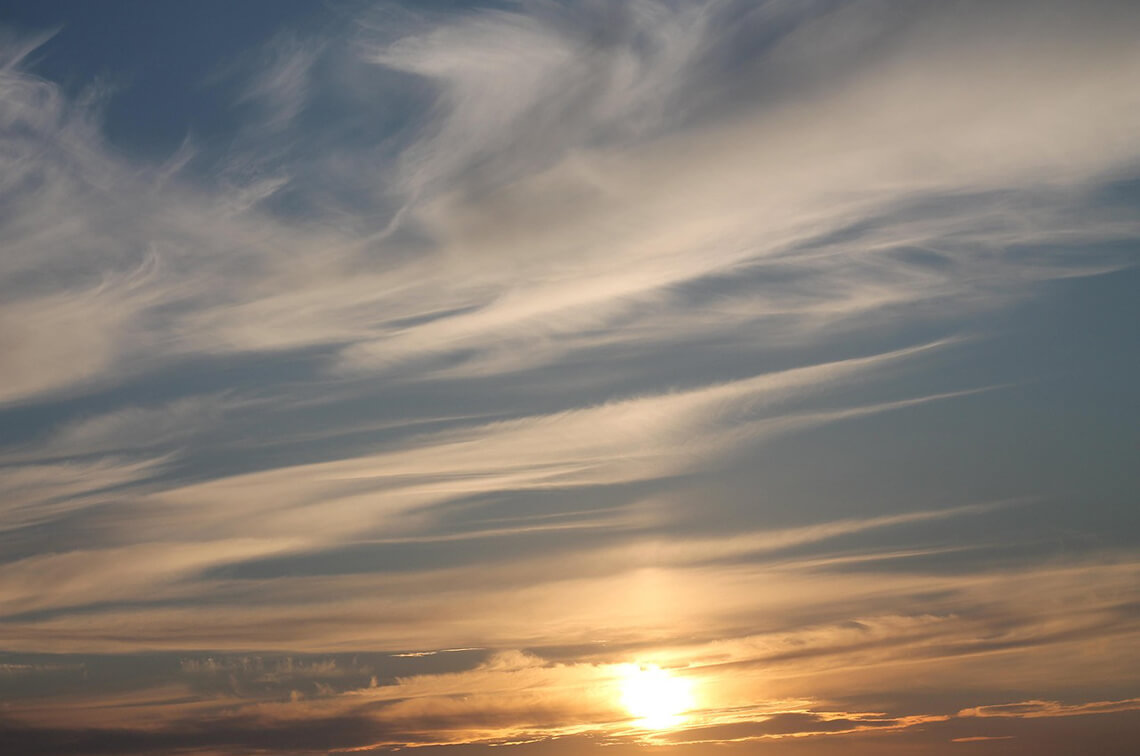
„Wetterwechsel kündigt sich an“
3. Dünne, milchige Schleier (Feder-/Schleierwolken)
Hohe, feine Wolken, die den Himmel wie durchsichtige Vorhänge überziehen.
Bedeutung: Oft ein Hinweis, dass sich in den nächsten Stunden bis 1–2 Tagen etwas ändert (z. B. mehr Wolken, Niederschlag oder Wind).
Urlaubstipp: Top-Zeit für Fotos und Aussicht bevor es dichter wird.
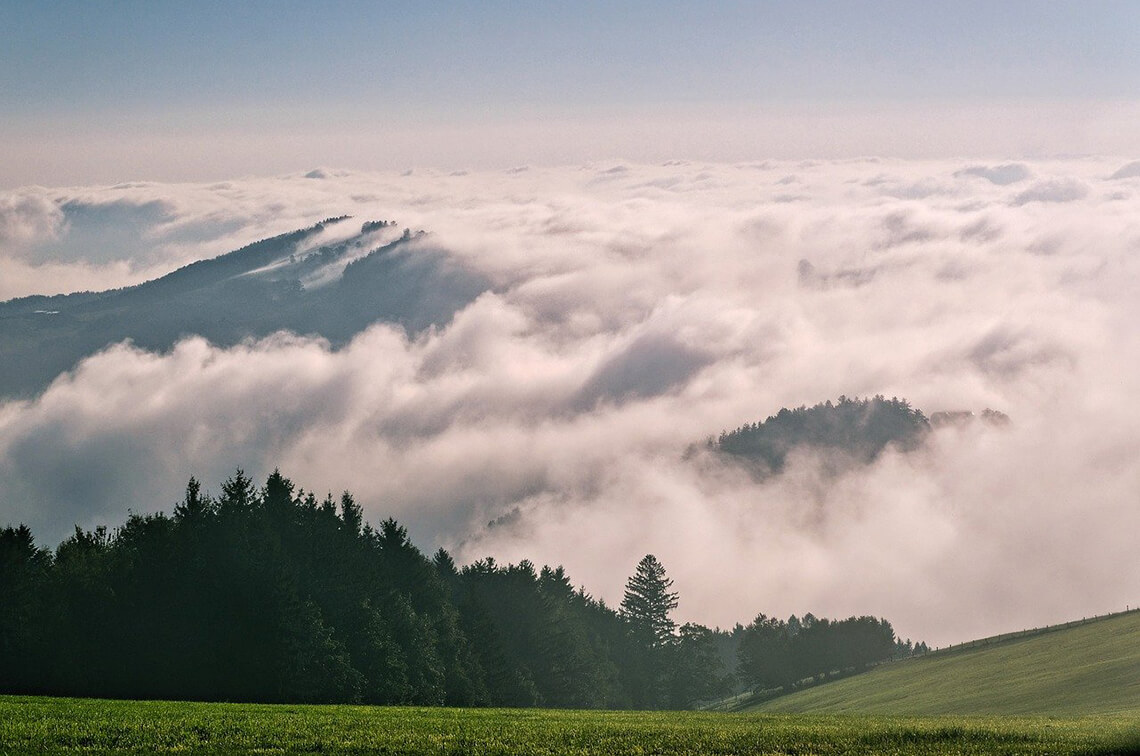
„Inversion möglich“
4. Nebel im Tal am Morgen
Morgens hängt Nebel im Tal, darüber ist es hell?
Bedeutung: Das kann eine Inversion sein: Unten kalt und feucht, oben sonniger.
Urlaubstipp: Ein klassischer „Rauf-fahren lohnt sich“-Tag: Oben oft traumhaft.
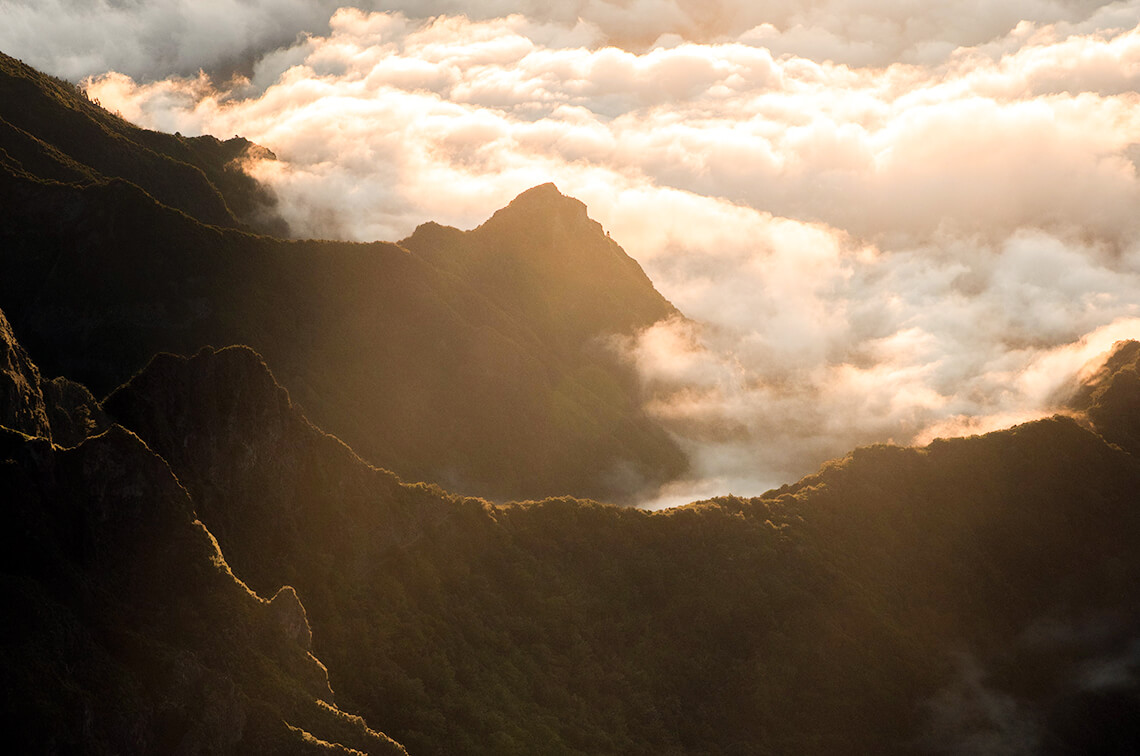
„Stau- oder Staunässe“
5. Wolken hängen wie „Watte“ am Hang
Wolken kleben an den Bergflanken und wollen nicht weg?
Bedeutung: Feuchte Luft wird an den Bergen gehoben und bleibt „stehen“ – häufig mit Niesel/Schneegriesel möglich.
Urlaubstipp: Im Tal gemütlicher planen, kurze Aktivitäten, danach Wellness/Entspannung.
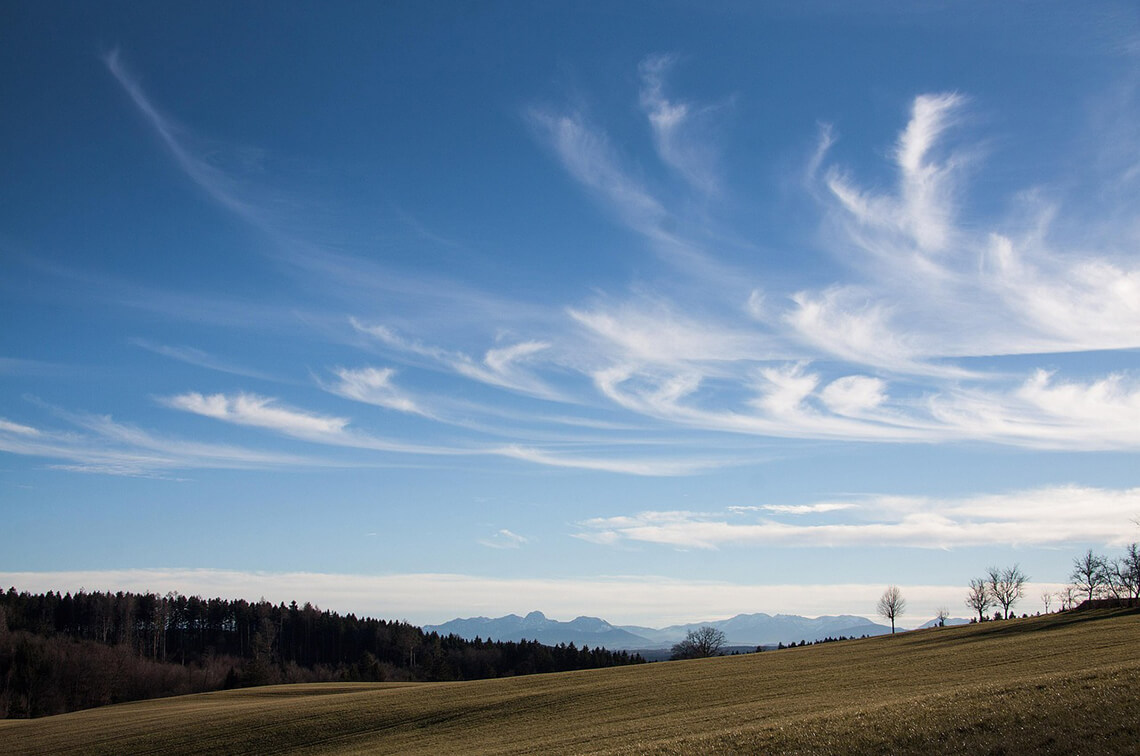
Oben blau, unten turbulent
6. „Föhnfenster“
Du siehst Stellen mit knallblauem Himmel neben schnellen Wolkenfetzen?
Bedeutung: Das kann auf Föhn hindeuten (windig, sehr klare Sicht, aber teils böig).
Urlaubstipp: Atemberaubende Panorama-Sicht – aber Wind beachten (kälter gefühlt, exponierte Stellen meiden).
So when is the ideal time to travel?
If you’ve read this far, the most important message is clear: in Saalbach you don’t have to “catch the perfect weather”—you can use it the right way. Because every season delivers its own favourite version of the mountains: winter for snow moments, summer for long active days, autumn for clear air and far-reaching views, spring for peace and that quiet, almost magical exhale between seasons.
The ideal time for your holiday at the Zirmhof therefore mainly depends on what kind of holidaymaker you are:
- You want winter classics & a focus on the pistes? Then the core winter months are your stage.
- You love sunshine, indulgence and relaxed days outdoors? Late winter or spring often feels especially light.
- You’re looking for an active summer? High summer is lively—June is the fresh start, September the enjoyable wind-down.
- You prefer long-distance views, golden light and quiet mountain experiences? Then September/October are often the months when Saalbach shows its “postcard side”.
How can we help you?
Whether you’re wishing for powder days, a mountain summer full of freedom, long-distance views in golden autumn, or the magical calm between seasons—at the Zirmhof you’re in the best hands in any weather. We’ll be happy to advise you personally on which travel period best fits your plans and which apartment is ideal for your time out.