
Michaela Groder
13.01.2026
Lesedauer: 5 Minuten
Are you planning a holiday in Saalbach Hinterglemm and wondering what the weather is like in Saalbach – and when is the best time to visit the Zirmhof?
The good news is that there is no such thing as "perfect weather" in the Alps. Instead, each season delivers exactly what it promises – snow in winter, clear days in autumn, lively mountain summers, a spring full of buds and quiet, almost magical transitions in between.
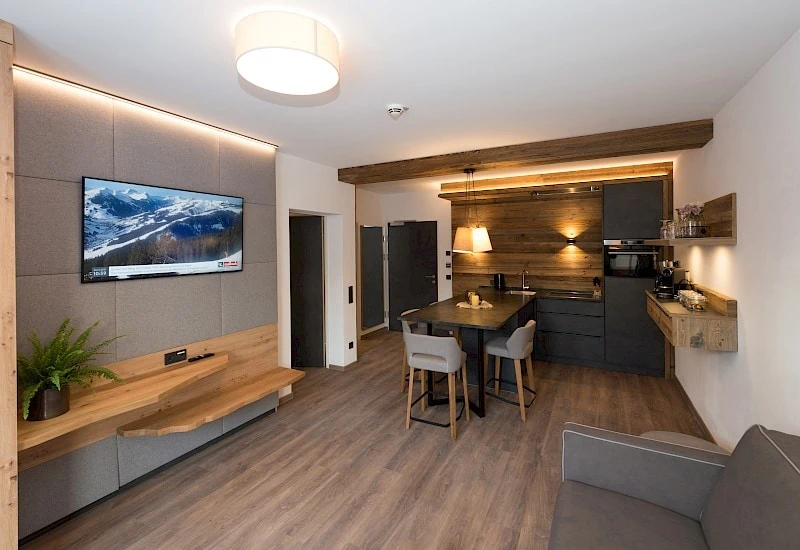
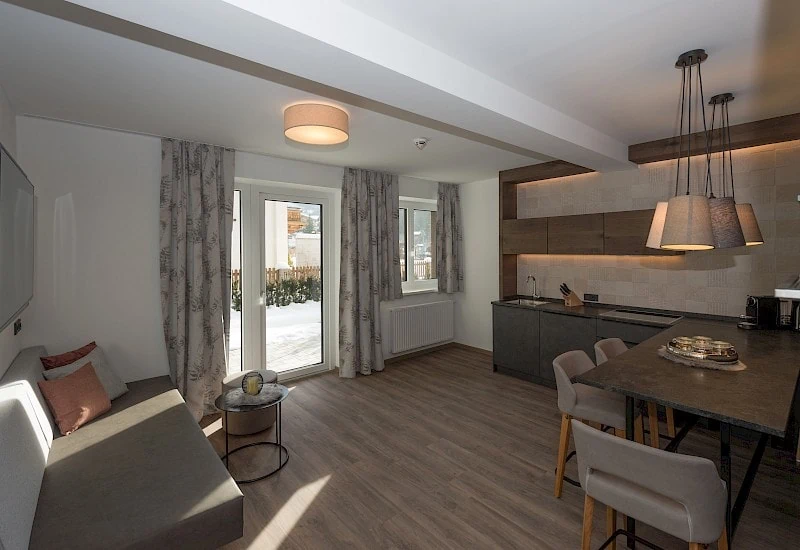
At the Zirmhof in the district of Jausern, you will find the ideal place to stay to make the most of the weather: in winter, you can spontaneously hit the slopes in the morning, enjoy a leisurely tour at midday, and relax in the warmth and tranquillity of your apartment in the evening. And if the weather changes? Then personal advice at the Zirmhof will help you plan your day accordingly – so that "What's the weather like in Saalbach?" simply becomes "What shall we do today?"
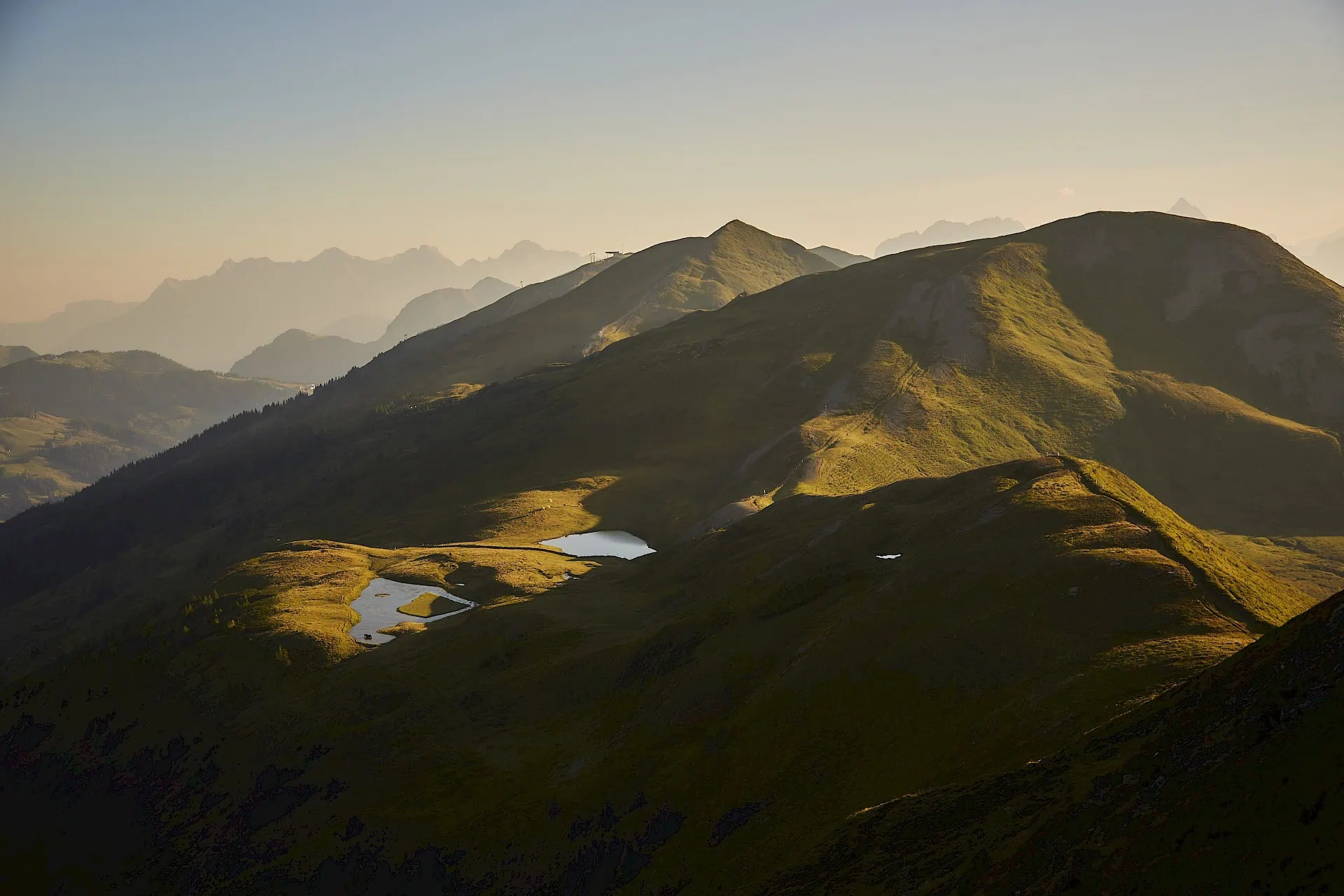
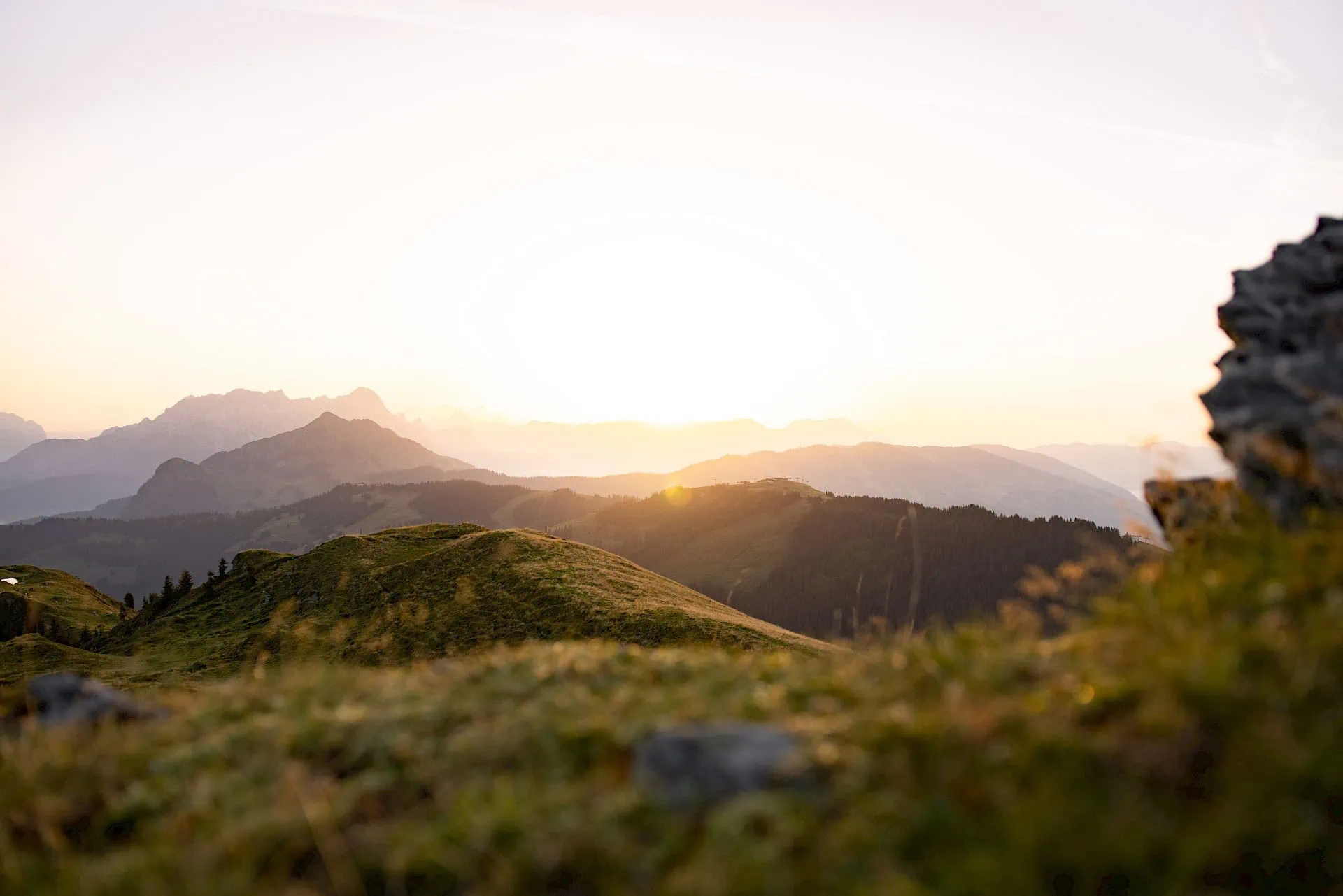
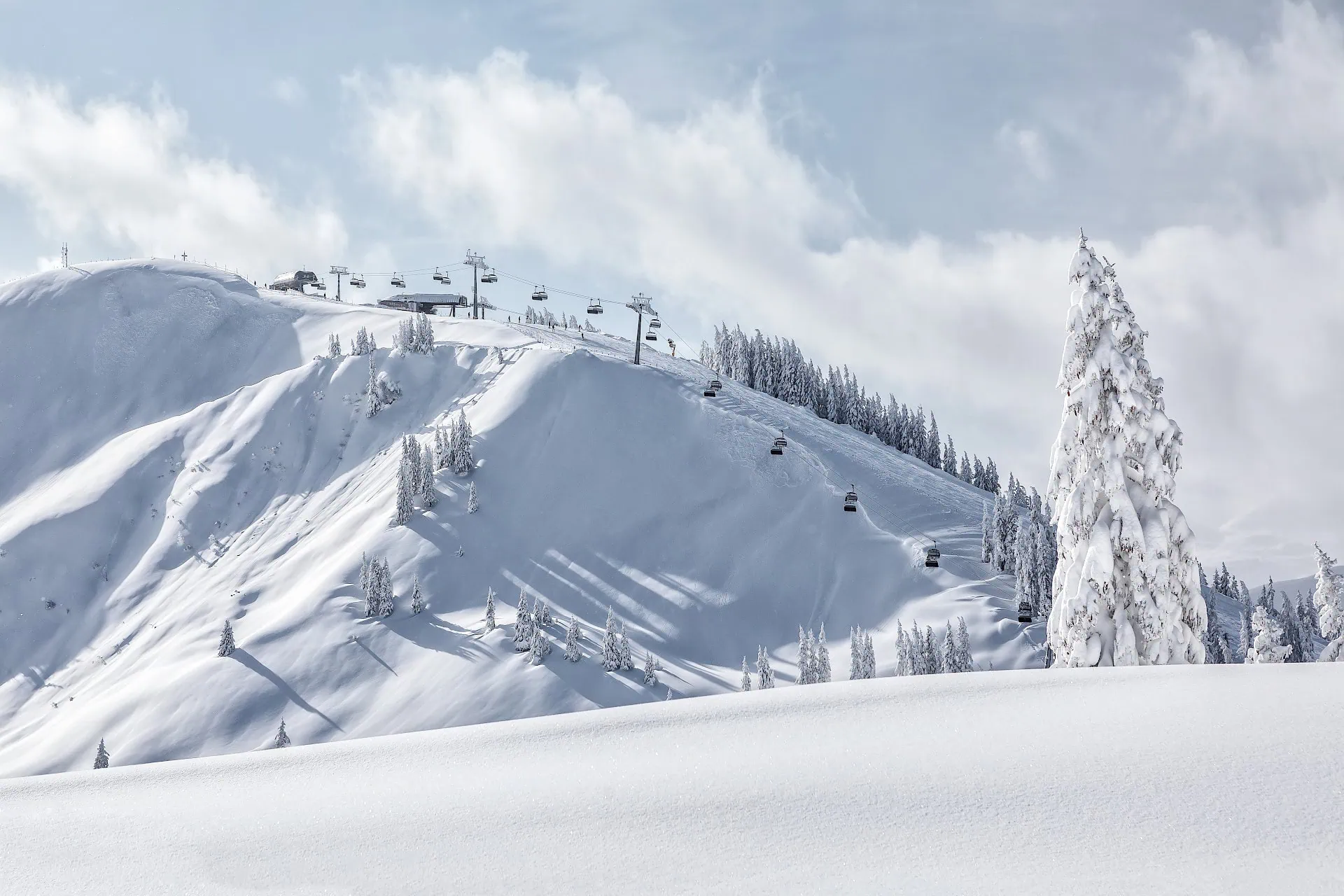
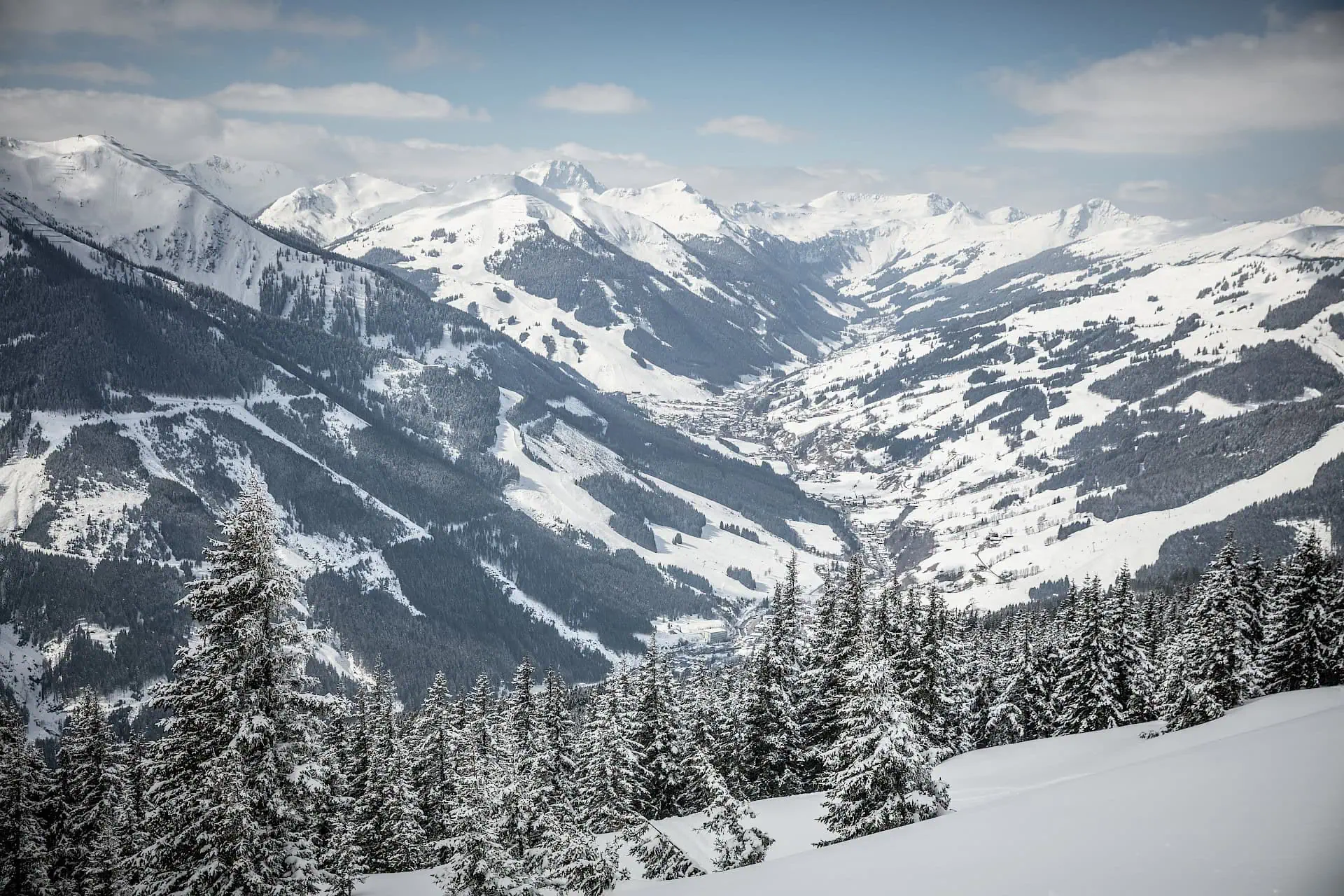
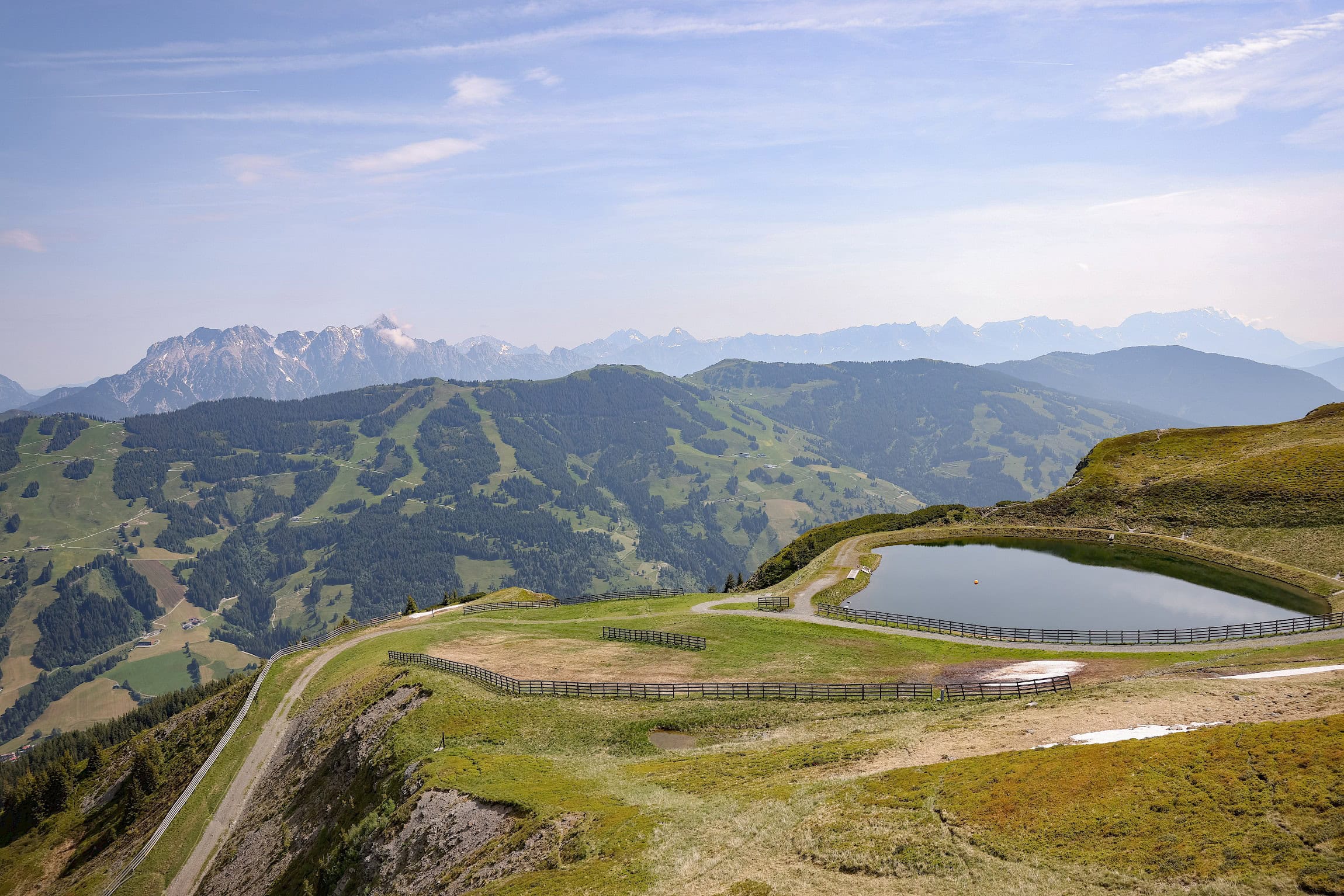
Those visiting Saalbach-Hinterglemm for the first time are often amazed: down in the valley, the weather is pleasant, while up on the mountain it can be significantly colder, windier or even wintry – or vice versa. This is typical of the weather in Saalbach: in the Alps, it is not only the calendar that determines the weather, but above all the altitude and location.
In a mountain valley such as the Glemmtal, air is constantly in motion. When air rises up the slopes, it cools down – and clouds can form. When air descends, it becomes warmer and drier again. The result: two places just a few kilometres apart can feel like two different weather worlds.
Valley weather (Saalbach/Jausern around the Zirmhof):
Often a little milder, more sheltered from the wind and ideal for leisurely activities – walks, refreshments, family outings or simply a relaxed start to the day.
Mountain weather (in the ski resort or at high altitudes):
Often cooler and windier, sometimes with better visibility – for example, when clouds or fog hang in the valley, while you find sunshine and panoramic views above the grey.
As a rule of thumb, it often gets noticeably cooler for every 100 metres of altitude. Then there's the wind: even if the thermometer shows "only" a few degrees less, it quickly feels much colder on the mountain due to the wind. For your holiday, this means that spring-like weather in the valley and winter weather on the mountain is not uncommon in Saalbach.
A particularly typical phenomenon in mountain valleys is inversion: cold, moist air collects at the bottom of the valley, forming fog or high fog. At the same time, it can be sunny and clear at the top. This is good news for you, because on days like these, the insider tip is to head up the mountain, where the weather is often better.
The beauty of the Zirmhof is that you don't plan "against" the weather, but with it. If you distinguish between valley and mountain weather, your daily schedule automatically becomes more relaxed:
Is it windy or poor visibility at the top? → Valley programme or short, sheltered routes. There are numerous winter hiking trails in our area.
Is there fog in the valley, but the mountains are clear? → Enjoy the mountain programme and the view. Whether on skis, a snowboard or a toboggan. Or on scenic winter hiking trails.
Are cumulus clouds forming in the afternoon? → Start your tours earlier and finish them later at a leisurely pace. Perhaps enjoy some pampering in the wellness area or in one of the many ski huts in the ski resort.
Before we dive into the individual seasons, it's worth taking a moment to shift our perspective: when researching the weather in Saalbach, it's not just whether the sun is shining or snow is falling that matters – it's what kind of atmosphere you're looking for. Saalbach-Hinterglemm can feel completely different depending on the month: sometimes lively and full of energy, sometimes quiet and almost like slow motion.
That's exactly why we're now looking at the seasons individually – not as rigid "monthly blocks", but as worlds of experience:
What conditions are typical? When is it particularly pleasant? Who is the high season suitable for – and for whom are the low season and transitional periods even more beautiful?
Let's start with winter – the grand stage for snow, moments on the slopes and the magic of mountain huts.
In winter, Saalbach-Hinterglemm shows its most famous side: clear mountain air, snow-covered slopes and that special feeling when everything focuses on the white days. The weather in Saalbach during this time is typically alpine: often fresh and crisp in the morning, sunny and clear or wintry and cloudy during the day, depending on the weather conditions – and it can be noticeably colder on the mountain than in the valley due to the wind. That's exactly why it's so pleasant to have a holiday home at the Zirmhof, where you can warm up and relax immediately after being outside.
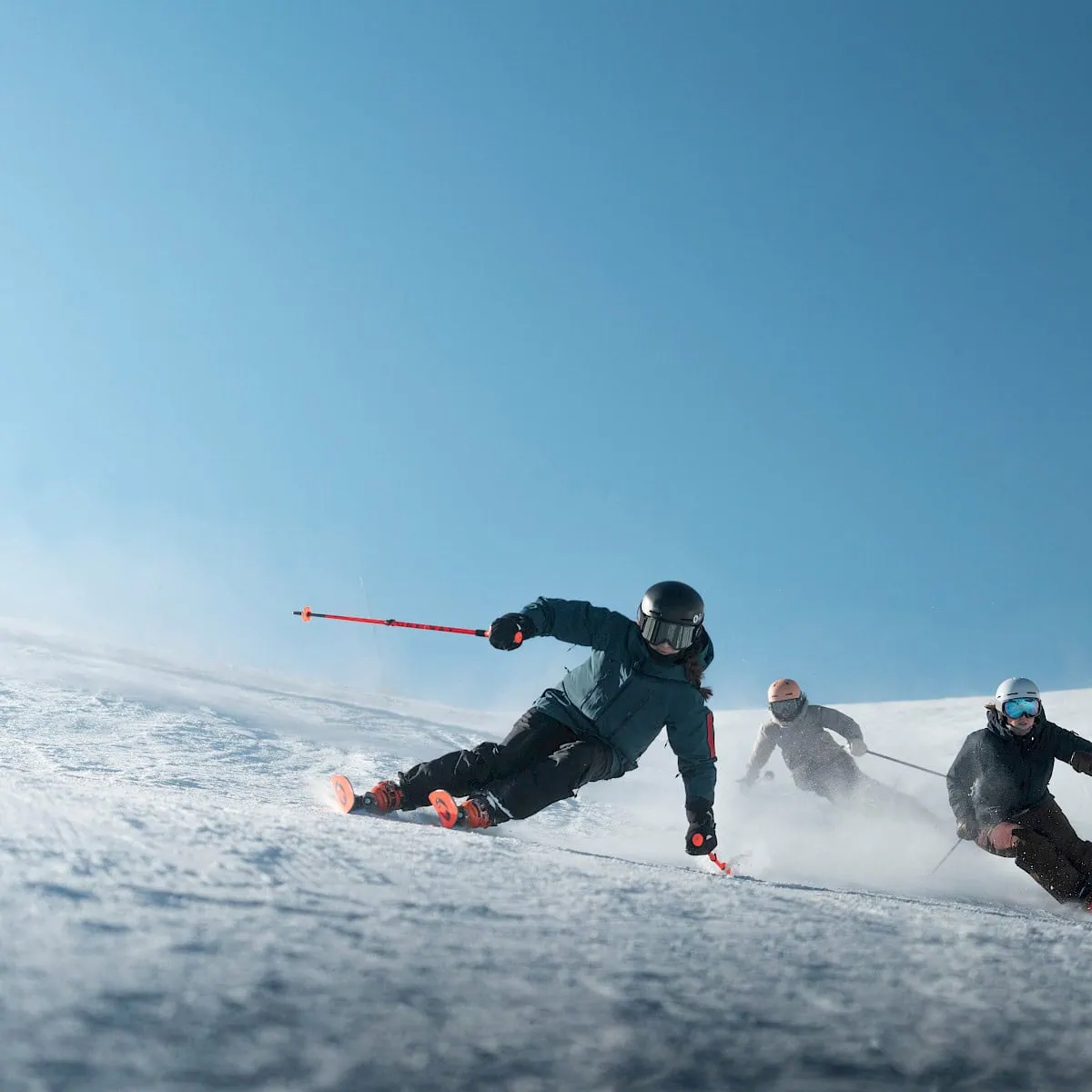

January & February
If you want a "classic winter holiday", January and February are often the best months:
Mostly very wintry temperatures and stable conditions
Perfect time for long days of skiing, because winter is "in full swing"
Lively hut atmosphere and a genuine Alpine feeling
Tip: Holidays at this time of year should be booked well in advance because demand is high.
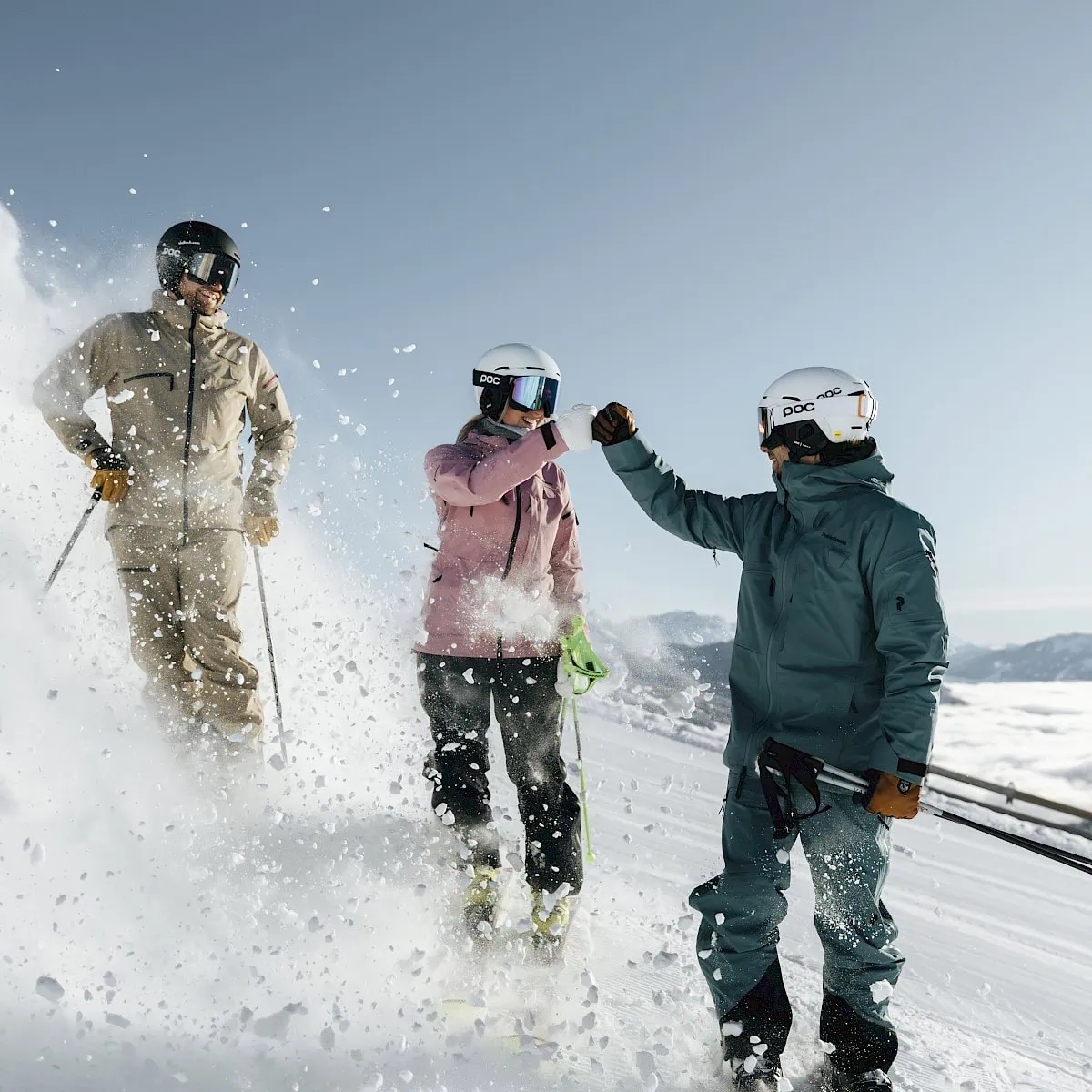
December & March
The off-season has its own charm – and for many, it is even the smarter choice.
December:
March:
Tip: Take advantage of price reductions and short stays during the off-season.
Spring in Saalbach is like a quiet new beginning. The valley breathes a sigh of relief, the days grow longer, and the weather in Saalbach often seems gentler – without being boring. It is precisely at this time of year that something happens that many guests only discover on their second visit: between winter and summer there is a phase that is almost magical. Less hustle and bustle, more space, and nature that becomes a little more colourful every day.
In spring, Saalbach likes to play "two seasons at once":
Spring in Saalbach is a time that should not simply be classified as "between two seasons" because it offers a unique holiday experience. Many guests notice it on their very first day: it is noticeably quieter. Paths, viewpoints and favourite spots suddenly seem more spacious because there are fewer people around. It is precisely this extra space that creates a feeling of relaxation that you often have to search for in the high season. You arrive more quickly, let your gaze wander longer and don't feel like you have to "keep up".
Summer in Saalbach-Hinterglemm feels like freedom: long days, lots of light and mountain air that remains pleasant even when it's warm. The weather in Saalbach is often pleasant in summer, but typically alpine – with cool mornings, warm afternoons and a sky that likes to put on a "cloud show" in the afternoon.
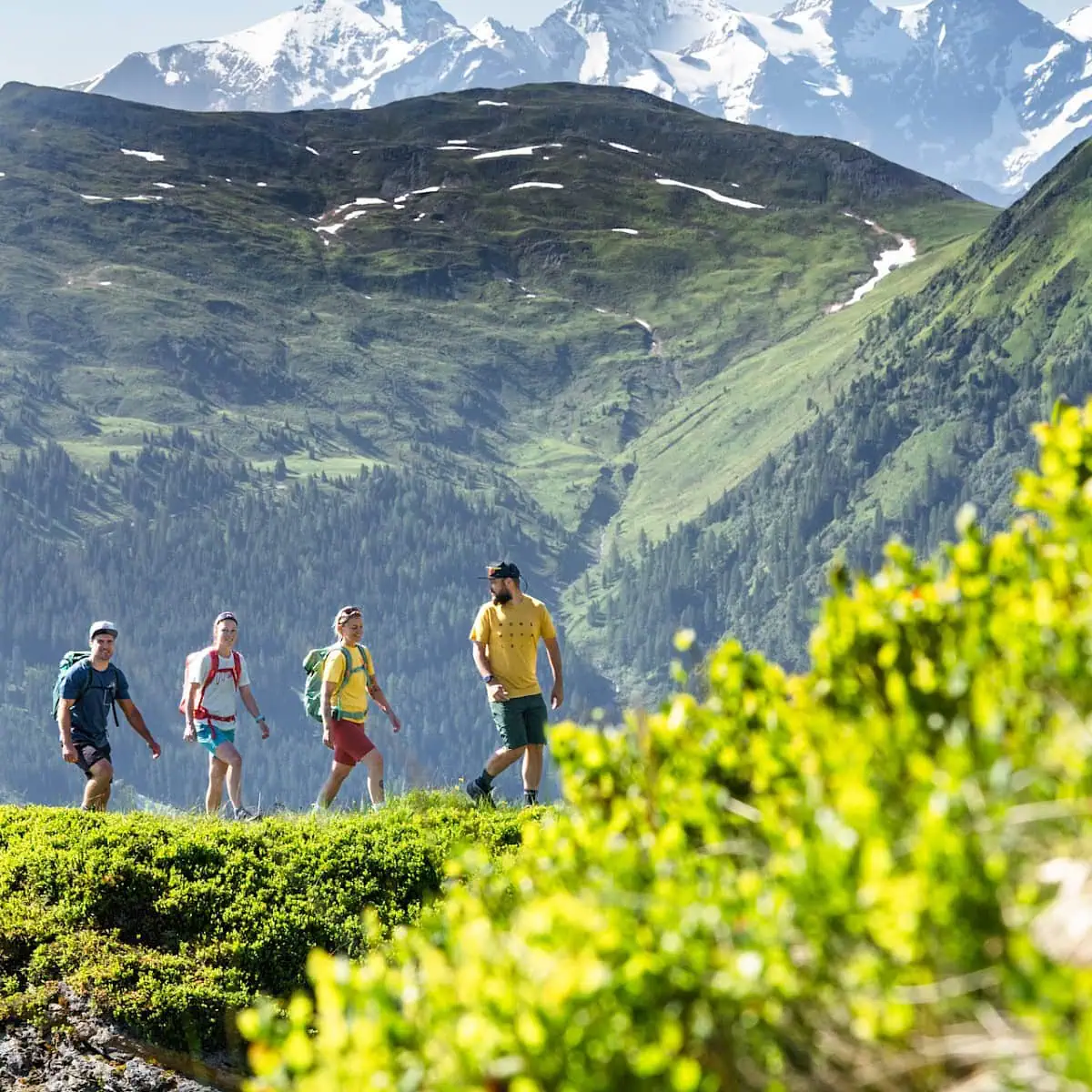
Calm, pleasant and active
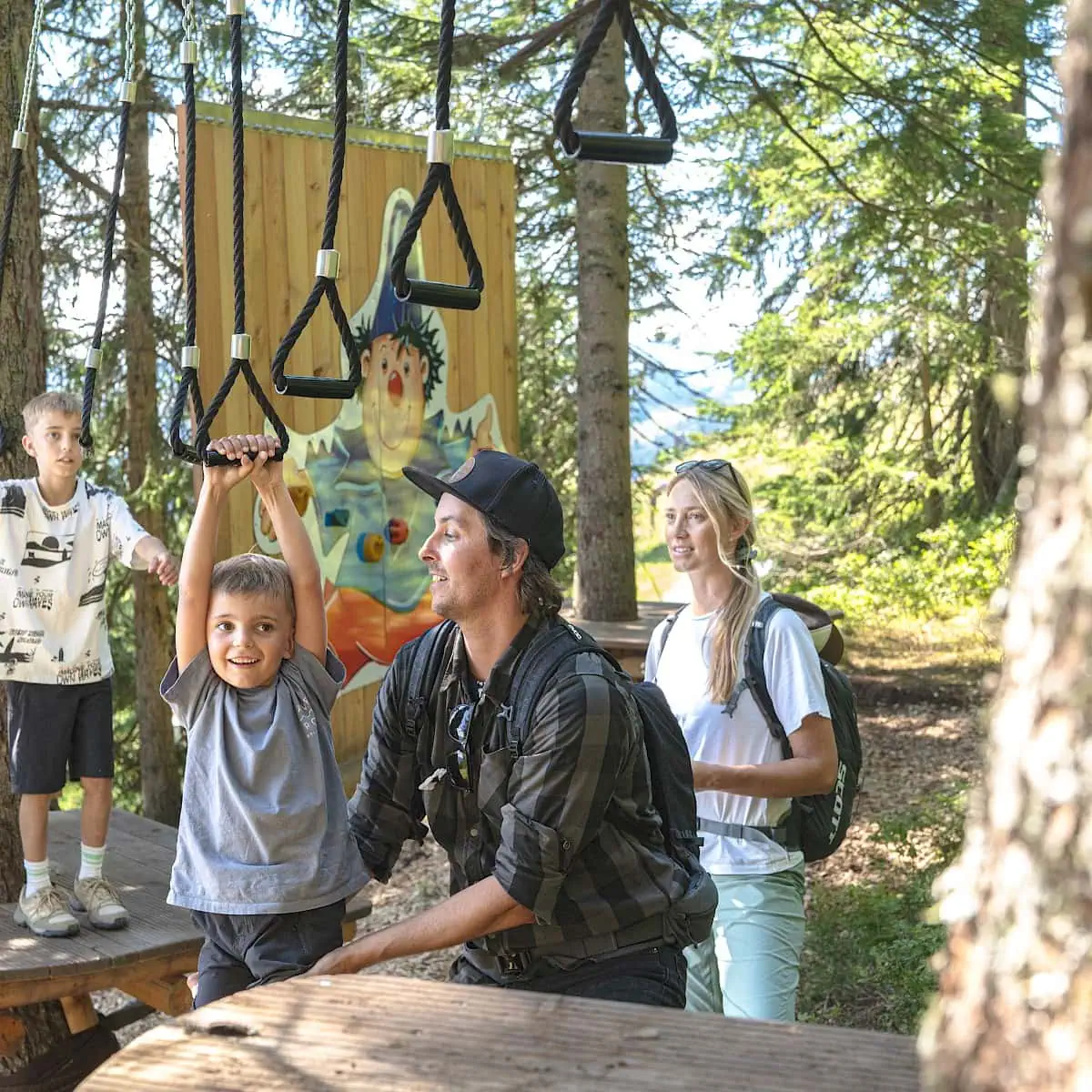
July & August
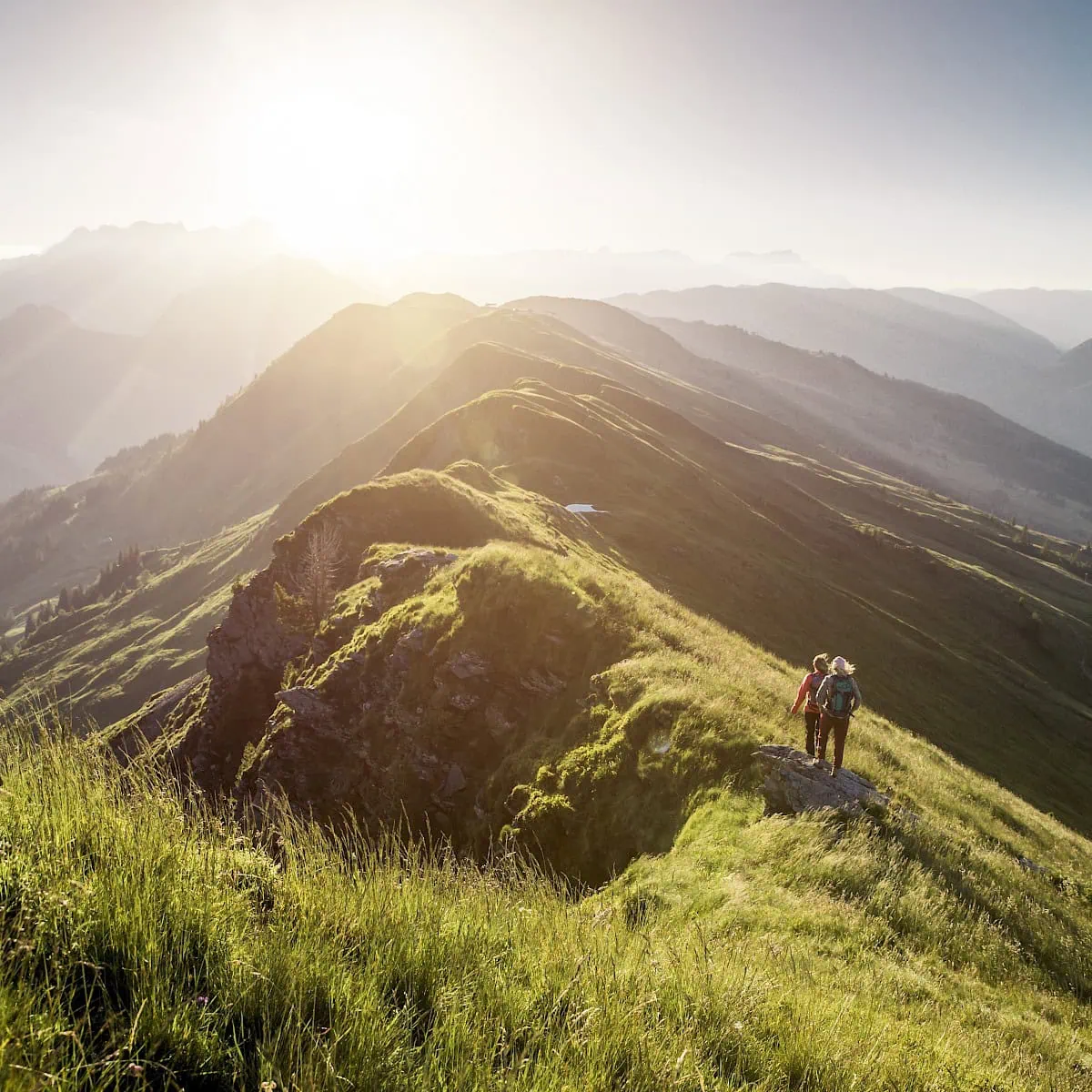
Golden, clear and particularly beautiful
Autumn in Saalbach-Hinterglemm is the season for those who don't want to just tick off the mountains, but really want to experience them. The weather in Saalbach now becomes calmer, clearer and often surprisingly stable – and this is when the region shows itself from a side that many only discover when they visit outside the classic peak seasons. Less hustle and bustle, more space, and an atmosphere that feels as if nature is briefly holding its breath.
For many, October is the secret star. Right now, the air is often particularly clear – and with it comes that famous distant view, where you feel like you can see further than usual from peak to peak.
November is October's quiet sister. Nature becomes calmer, the days shorter, and that is precisely what makes it so appealing: Saalbach often seems almost meditative at this time of year. Not everyone is looking for that – but those who are love it.
Clouds accompany us throughout all seasons in the Glemmtal valley: sometimes delicate and high like a veil, sometimes as growing cumulus clouds over the slopes, sometimes as powerful weather fronts that lend the valley its own unique drama. The mountains often create particularly impressive cloud formations here – sometimes they look like paintings, sometimes like a real natural spectacle. And best of all, these formations are not only beautiful to look at, they often reveal something about how the weather might develop next.
So here's an exciting detail for your next holiday in Saalbach: learn to read the clouds. No technical jargon, just practical tips – so that when you look out of the window at the Zirmhof, you can get a feel for whether the day will remain stable, whether the wind is picking up or whether a change in the weather is on the way.
The weather in Saalbach can change quickly, as is typical for alpine regions – which is precisely why it is worth using a little trick that locals employ almost automatically: observing the clouds. Clouds are not just "decoration in the sky". They are often the most visible weather forecast you can get for free – right above the Zirmhof.
Saalbach-Hinterglemm lies in a valley surrounded by mountains. As soon as air is "pushed up" a slope, it cools down – and clouds form. This happens particularly often here because mountains act like a ramp: air rises → cooling → condensation → clouds.
In short: mountains build clouds faster than flat land. And you can often deduce from this whether it will remain stable or whether the weather is "working".
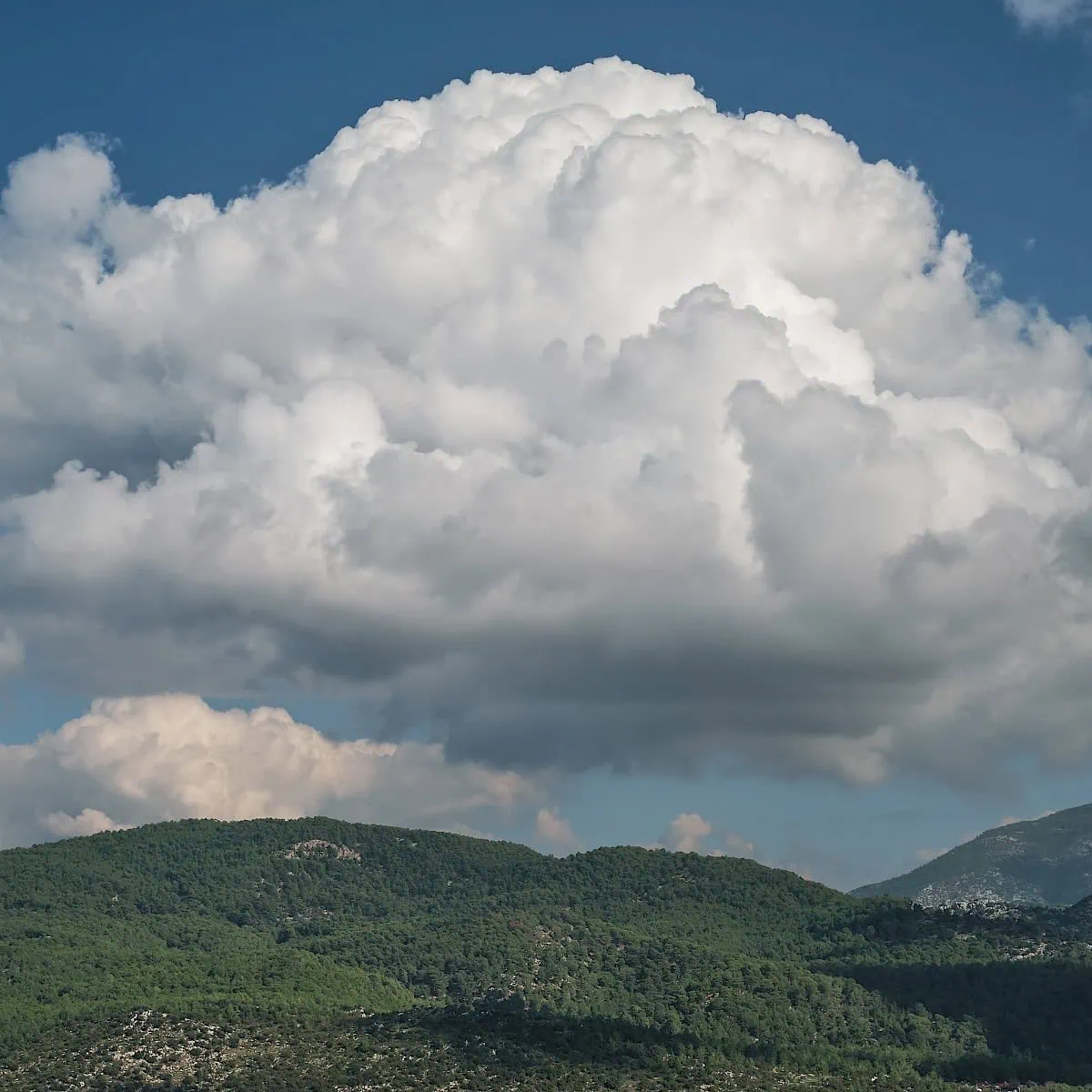
"The day is getting active"
Do you see small "cotton balls" growing over the slopes at midday? These are cumulus clouds.
Meaning: Often good weather for excursions in the morning – in the afternoon it can become more "unrestful".
Holiday tip: Start hiking or biking tours earlier, with a leisurely stop for refreshments as a Plan B.
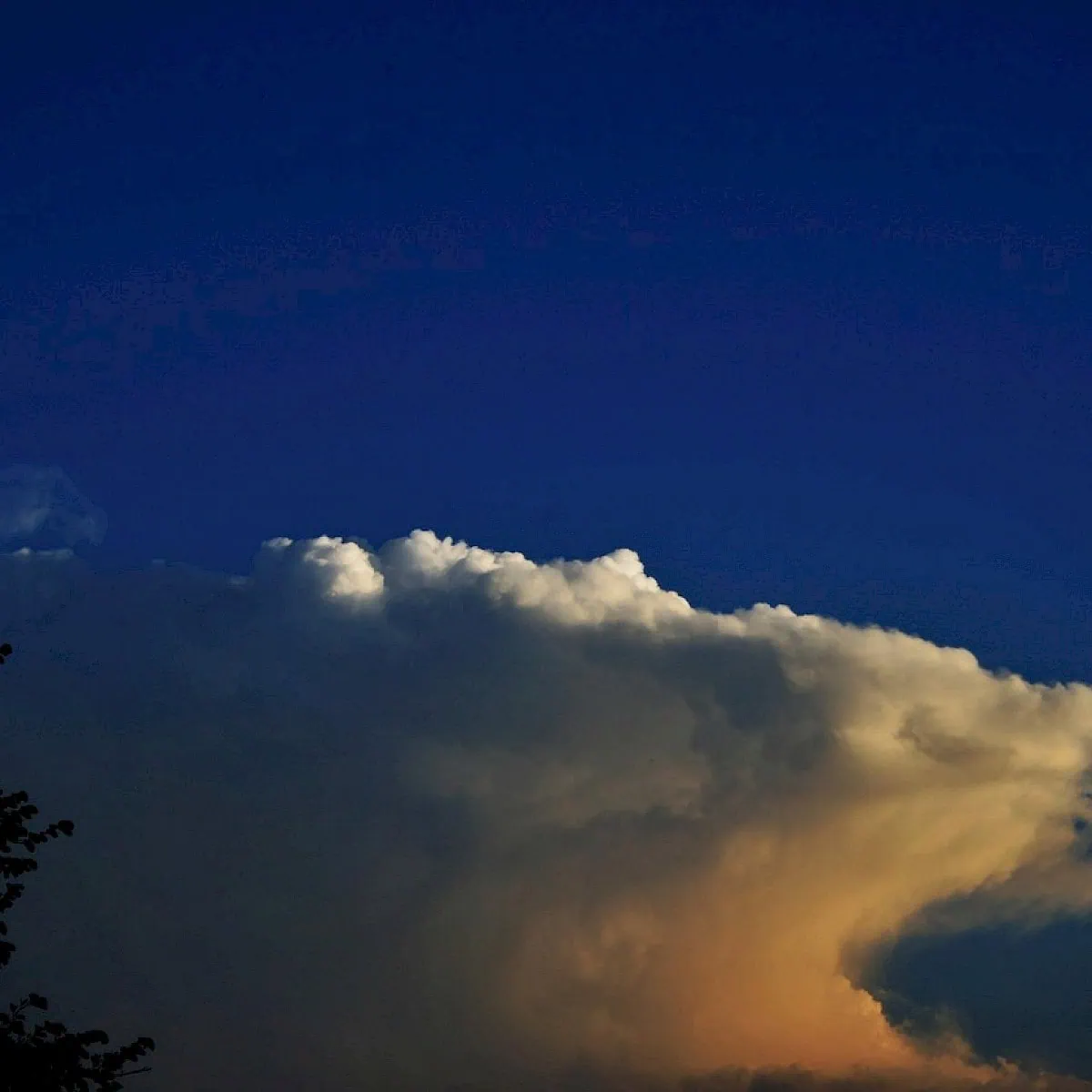
"Thunderstorms possible"
If a cloud tapers off flatly at the top like an anvil, it has a lot of energy.
Meaning: A thunderstorm may be developing nearby or approaching.
Holiday tip: Don't rush on – head for the valley/your accommodation in good time.
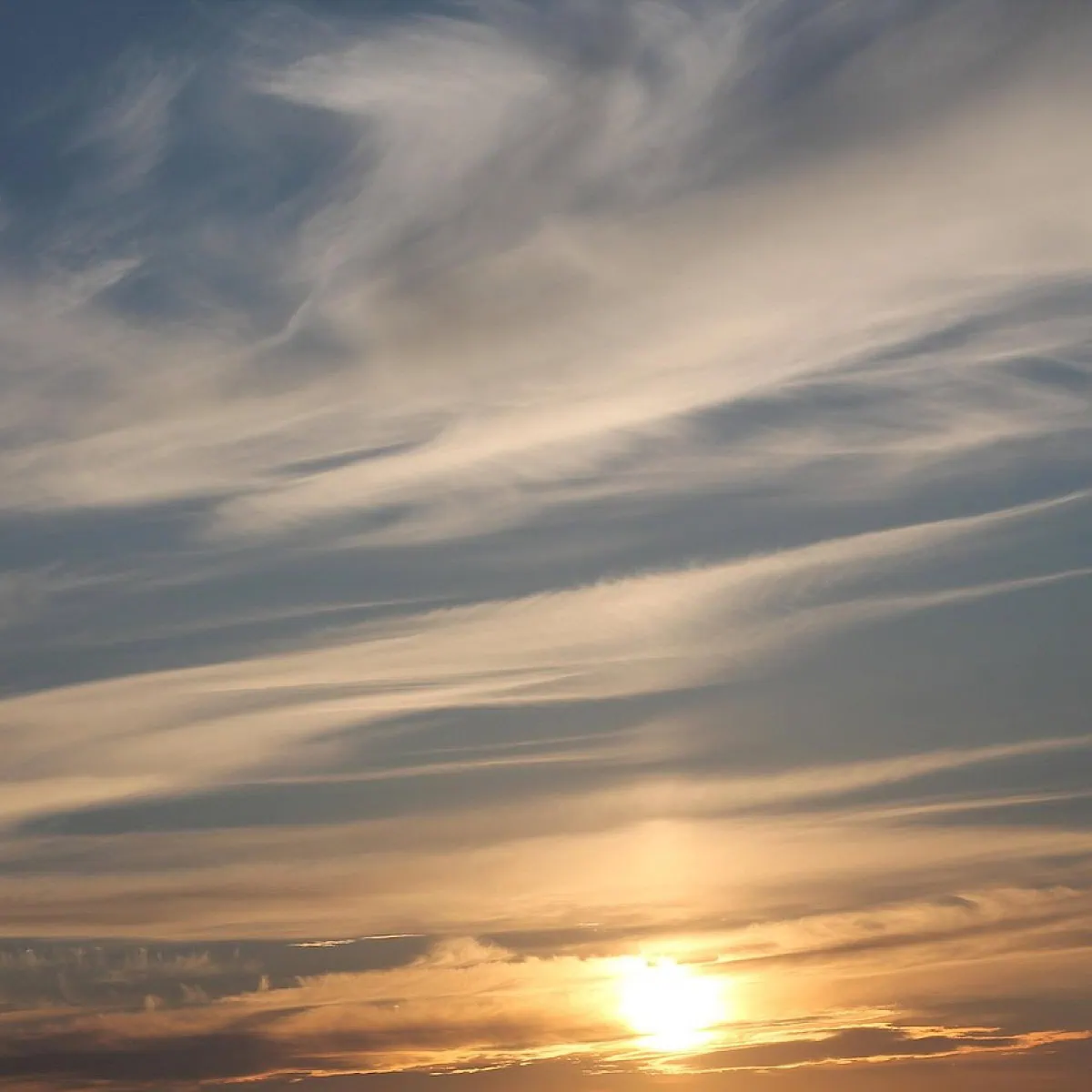
"A change in the weather is on the way."
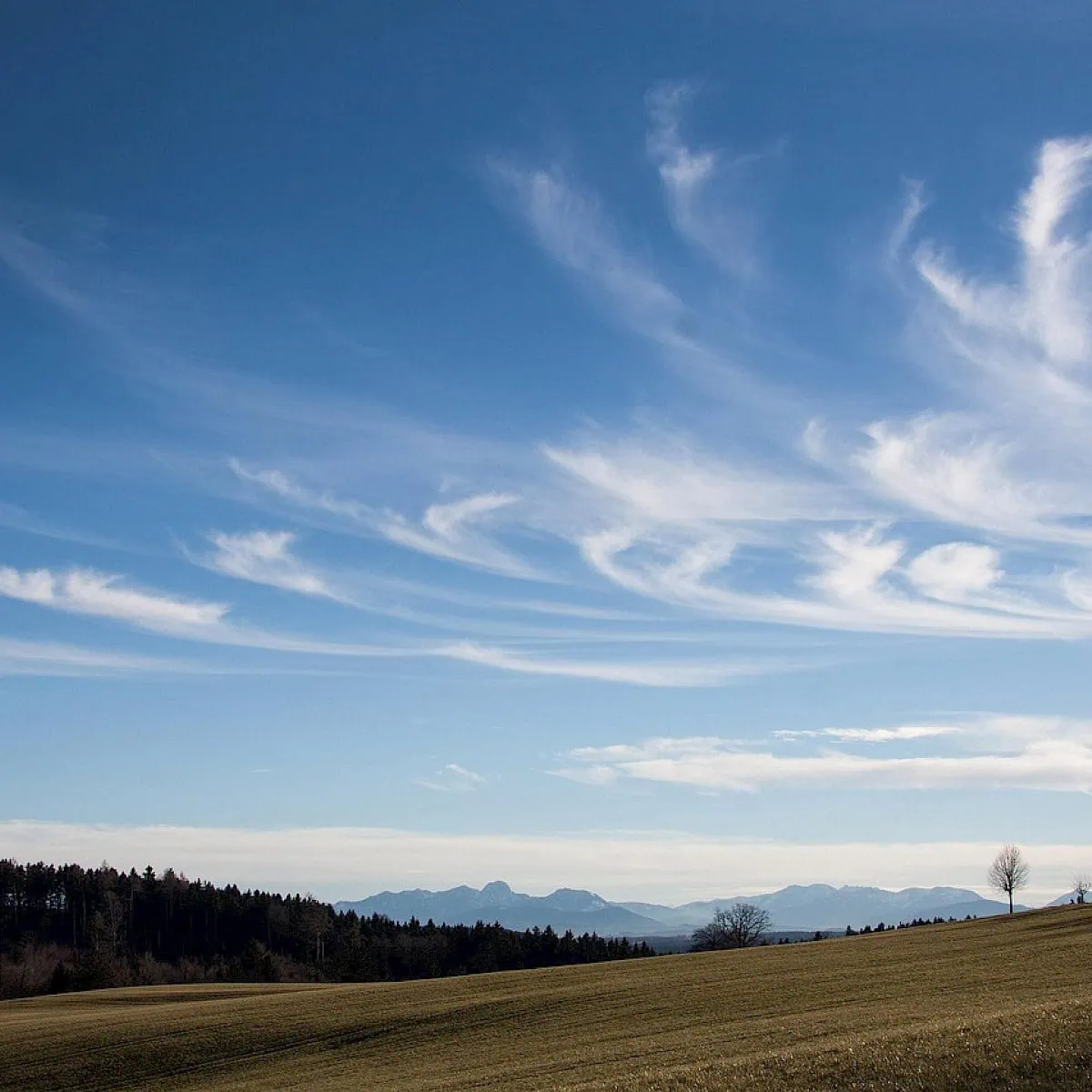
High, fine clouds covering the sky like transparent curtains.
Meaning: Often an indication that something will change in the next few hours to 1–2 days (e.g. more clouds, precipitation or wind).
Holiday tip: Top time for photos and views before it gets denser.
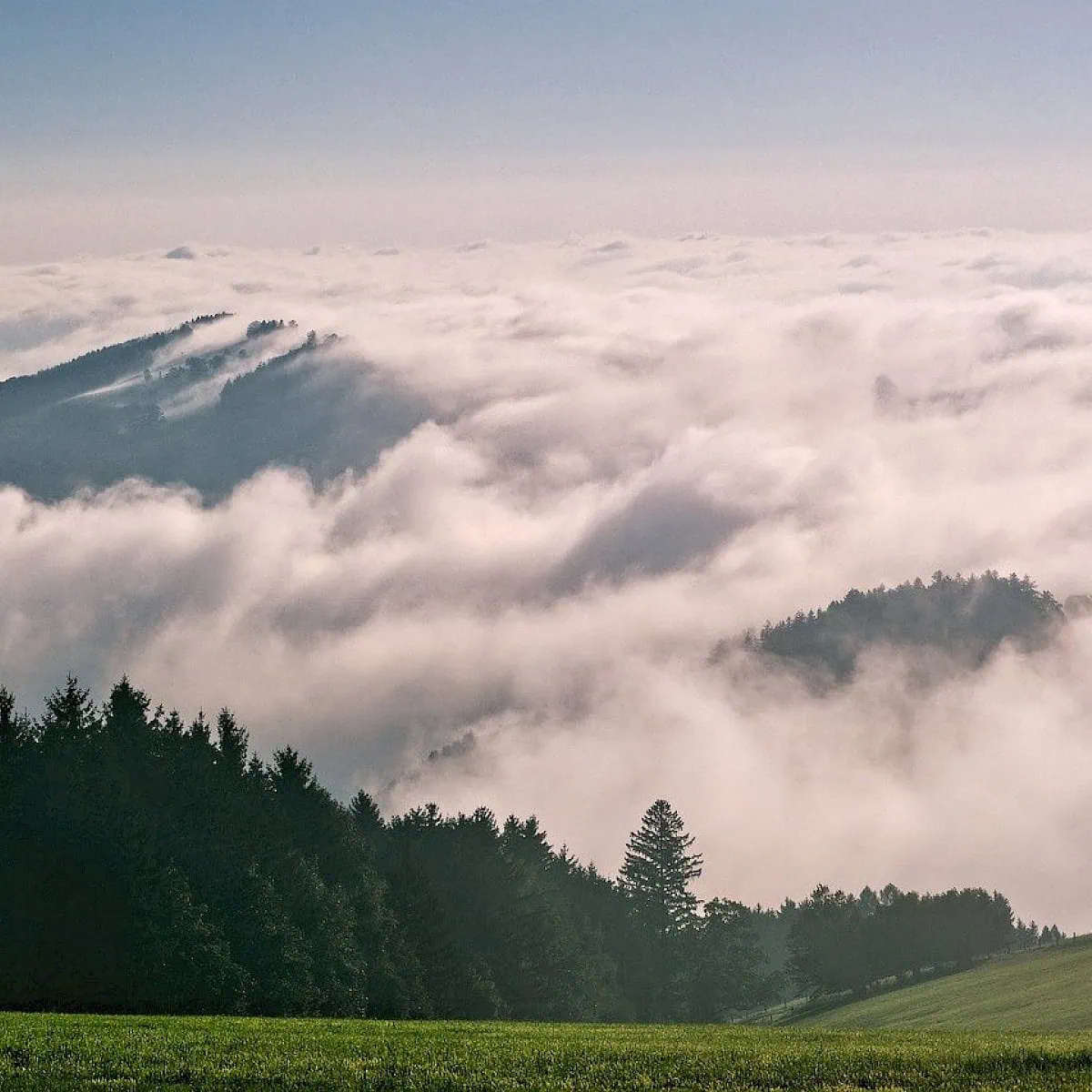
"Inversion possible"
Is there fog in the valley in the morning, but it's clear above?
Meaning: This could be an inversion: cold and damp below, sunny above.
Holiday tip: A classic "it's worth going up" day: often fantastic at the top.
"Congestion or waterlogging"
Clouds clinging to the mountainsides and refusing to go away?
Meaning: Moist air is lifted up by the mountains and remains "stuck" – often accompanied by drizzle or sleet.
Holiday tip: Plan for a more leisurely pace in the valley, with short activities followed by wellness/relaxation.
Blue above, turbulent below
Do you see areas with bright blue skies alongside fast-moving clouds?
Meaning: This may indicate a foehn wind (windy, very clear visibility, but gusty in places).
Holiday tip: Breathtaking panoramic views – but be aware of the wind (it feels colder, avoid exposed areas).
If you have read this far, the most important message is clear: in Saalbach, you don't have to "catch the perfect weather" – you can make the most of it. Because every season offers its own favourite version of the mountains: winter for snowy moments, summer for long days of activity, autumn for clear air and distant views, spring for tranquillity and that quiet, almost magical breath of fresh air between seasons.
The ideal time for your holiday at the Zirmhof therefore depends above all on your type of holiday:
Whether you desire powder snow days, a mountain summer full of freedom, distant views in golden autumn, or the magical tranquillity between seasons – at the Zirmhof, you are in good hands in any weather. We will advise you personally on which travel season best suits your plans and which apartment is ideal for your break.